Every child deserves a strong start, and yearly planning is a critical piece of that foundation. Whether you are new to this topic or looking to deepen your existing knowledge, this article will give you the tools and confidence to help your young learner thrive.
Setting Goals for the Year Ahead
yearly planning has become a cornerstone of best practice in early childhood education for this stage.
Short, focused practice sessions of ten to fifteen minutes are far more effective than long, drawn-out lessons.
You do not need a lot of time — a few focused minutes each day consistently produces better results than longer occasional sessions.
We explore related ideas in Short Vowel Sounds Teaching Strategies That Stick Teacher Approved Methods, which pairs well with this article.
Choosing Resources and Materials
One of the most important aspects of timeline is understanding how it fits into the bigger picture.
Pay attention to when your child is most engaged and most frustrated — those moments reveal exactly where to focus your support.
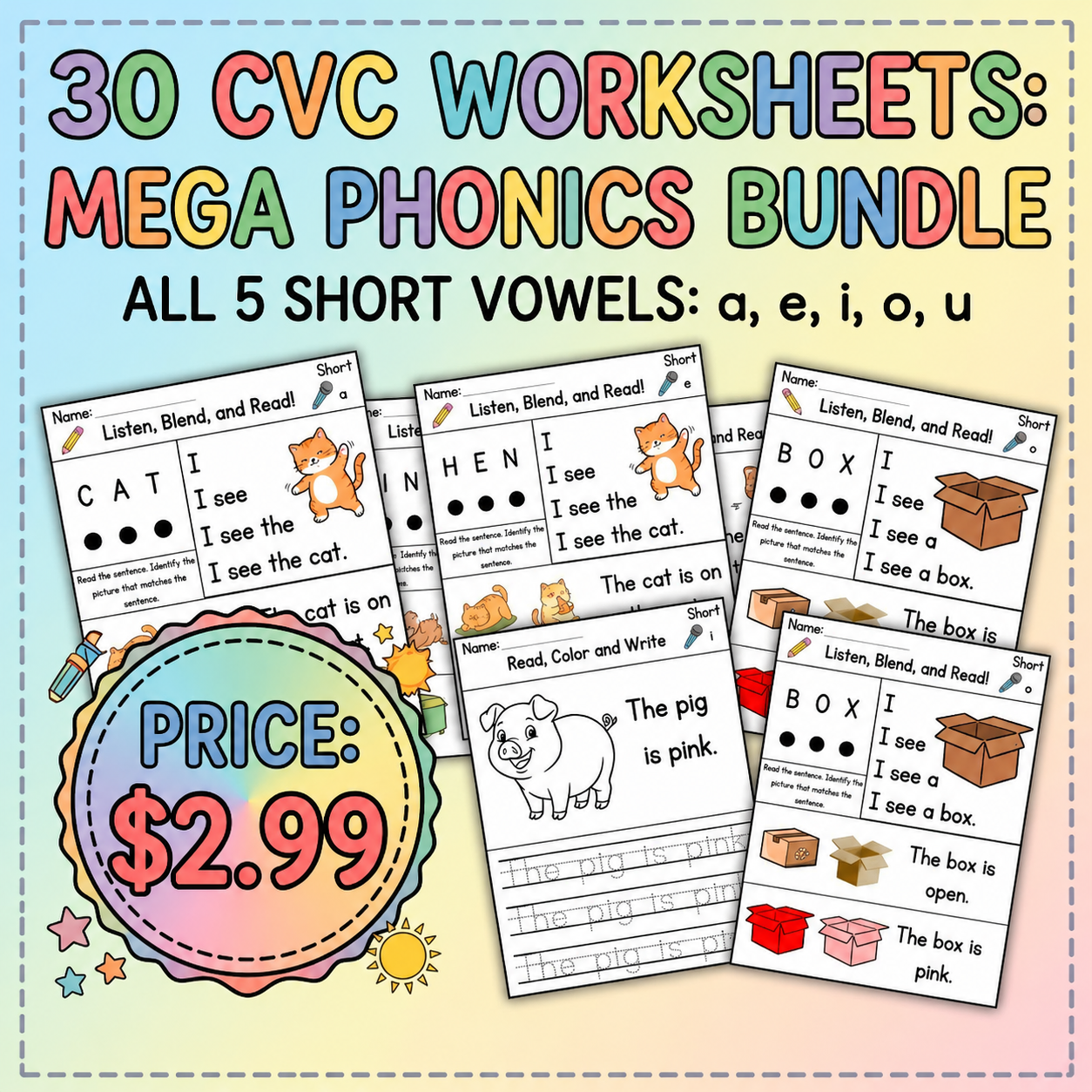
For a structured approach to this topic, try our 30 CVC Phonics Worksheets: Read, Trace & Color ($2.99). It includes everything you need to get started immediately.
Creating a Yearly Timeline
The journey toward mastering yearly planning begins with small, manageable steps.
Positive reinforcement and specific praise help children understand exactly what they are doing well.
We explore related ideas in Printable Journal Pages For Early Writers Printable Resources, which pairs well with this article.
Building in Flexibility and Breaks
The evidence base for timeline is strong, and results in the classroom reflect that.
Involving children in preparing and tidying up their learning space builds independence alongside the academic skills you are targeting.
Above all, make sure that learning remains a joyful experience for both you and your child.
Organizing Materials Before You Begin
Experienced early childhood teachers consistently point to yearly planning as one of their most reliable tools.
Scaffolding the activity so children experience small successes builds the confidence they need to tackle harder tasks.
We explore related ideas in How To Use Everyday Moments As Teaching Opportunities Practical Ideas, which pairs well with this article.
Evaluating and Adjusting Mid-Year
Research consistently shows that timeline plays a crucial role in early childhood development.
When children feel safe to make mistakes, they become more willing to take the risks necessary for genuine learning.
By making these activities a natural part of your daily routine, learning becomes seamless and enjoyable.
We explore related ideas in Morning Meeting Routines That Build Community Home Edition, which pairs well with this article.
Frequently Asked Questions
What if my child resists yearly planning activities?
Resistance is normal and often temporary. Try changing the approach, incorporating your child's interests, or taking a break and returning later. If resistance persists, consult with your child's teacher or pediatrician.
Can goal setting be practiced during everyday activities?
Absolutely. Some of the best learning happens naturally during daily routines like cooking, shopping, bath time, and car rides. Look for organic opportunities to weave goal setting into your existing schedule.
How does resources connect to kindergarten readiness?
Proficiency in resources is considered an important indicator of kindergarten readiness. Children who have a strong foundation in this area typically transition more smoothly into formal schooling.
Start Your Child's Learning Journey Today
You do not need to be an expert to give your child an incredible start. With the right tools and a little daily practice, remarkable progress is within reach. Visit our curated worksheet library or grab our free sample pack to see the quality of our materials firsthand. Your child's learning adventure starts with a single step.