Homeschool families often feel the summer reading question more acutely than school families — without institutional structure, summer can drift into weeks without any intentional literacy practice, or overcorrect into a summer curriculum that exhausts everyone. A simple, flexible reading plan that fits into the flow of summer days is more sustainable and ultimately more effective than either extreme.
The Three Components of a Summer Reading Plan
An effective summer reading plan has three distinct components: read-aloud time (parent reading to child), independent reading time (child reading independently at their current reading level), and skills practice (targeted phonics or decoding work at the edge of current ability). Each component serves a different purpose — read-aloud builds vocabulary and comprehension beyond the child's independent reading level; independent reading builds fluency and confidence; skills practice advances decoding ability. Omitting any one of the three creates an incomplete plan. Also read: How to Create a Homeschool Schedule That Actually Works for the scheduling principles that make any plan sustainable over summer.
A Realistic Daily Rhythm
For most kindergarten and first-grade children, twenty to thirty minutes per day of reading-related activity is sufficient to maintain skills and make genuine progress. A practical division might be: ten minutes of parent read-aloud (rich, interesting books above the child's independent reading level), ten minutes of independent reading or structured book sharing, and five to ten minutes of skills practice.
Morning is generally the most productive time — before activity, heat or fatigue set in. But consistency matters more than timing. A parent who reads reliably at bedtime every night is doing more for their child's reading than one who aims for morning sessions but misses them regularly.
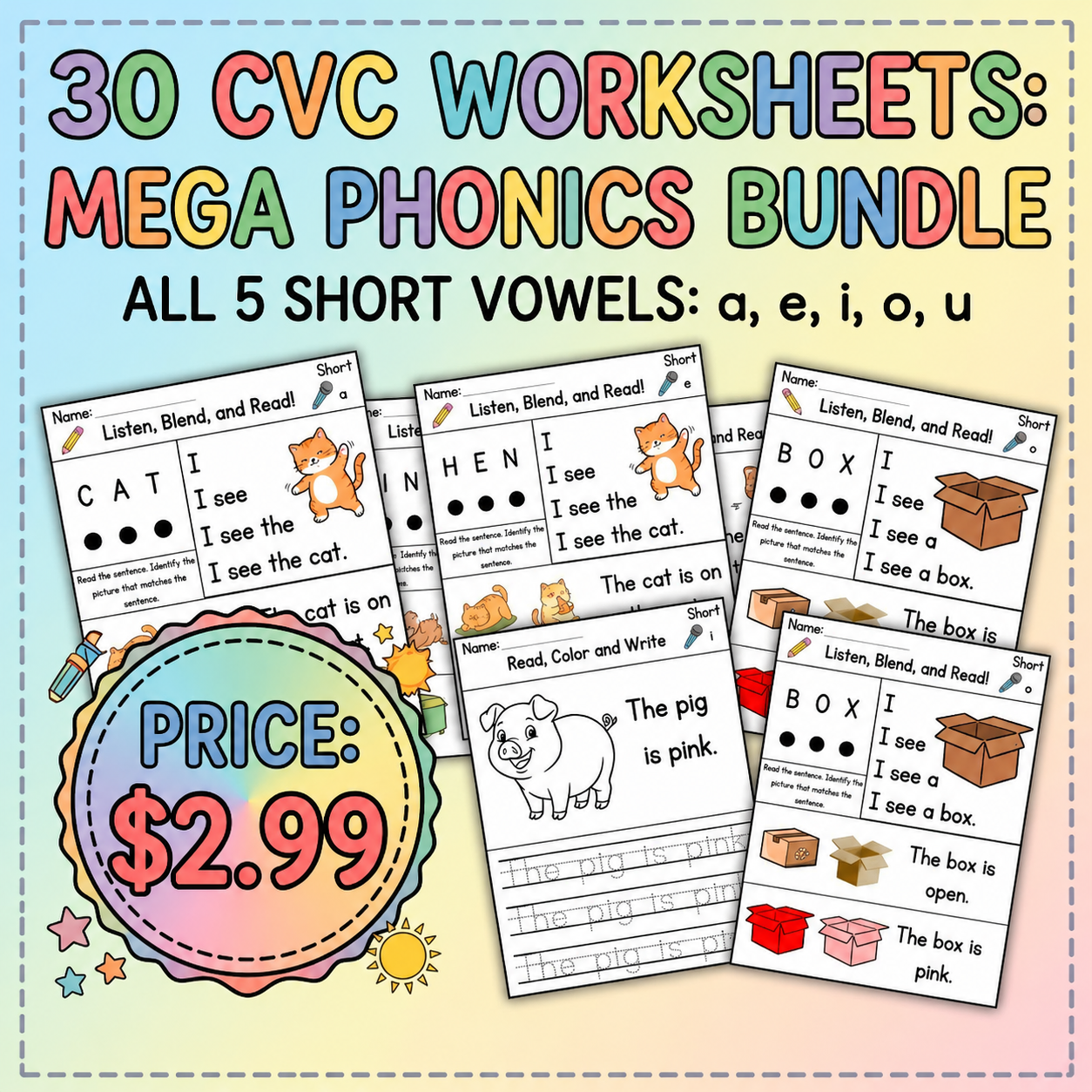
For the skills practice component, our Science of Reading Aligned CVC Blending Worksheets — gmdock Phonics Pack ($2.49) provides structured, varied blending practice that works as a ten-minute daily activity without requiring any teacher preparation. The seven activity types maintain engagement across multiple sessions, and the systematic gmdock sound focus ensures skills build from the satpin foundation your child has already established. At $2.49, it is a cost-effective cornerstone of the skills practice component for the entire summer.
Choosing Books That Work for Independent Reading
Independent reading books should be at a level where the child can read at least ninety per cent of words correctly. Below that threshold, the experience is frustrating rather than confidence-building. For children still developing phonics skills, decodable readers (books using only sounds the child knows) are far more appropriate than levelled readers that require guessing and context use.
Read-aloud books can be well above the child's independent level — great picture books, longer chapter books read a chapter at a time, poetry collections, information books on topics of interest. The goal of read-aloud is enrichment and enjoyment, not practice at the independent reading level.
Frequently Asked Questions
What if my child refuses independent reading practice?
Drop back to shared reading (you read, they follow along) or reading games instead of solo reading. The goal is daily positive reading experience, not independent reading per se.
How do I track progress without formal testing?
Keep a reading log — titles read, approximate level, and one observation about the reading session. Over summer, the log tells you whether the child is accessing more complex texts and enjoying reading more.
Should I use a reading programme or curriculum over summer?
A full curriculum is not necessary and often creates resistance. Targeted skills practice (like a phonics worksheet set) for the specific gaps identified at end of year is more effective than a comprehensive programme for most children.
Make It Light, Make It Consistent
The best summer reading plan is the one that actually happens every day. Ambitious plans that collapse by week three serve no one. Start simple, build positive associations, and trust that daily reading — in whatever format works for your family — is exactly what your child needs.