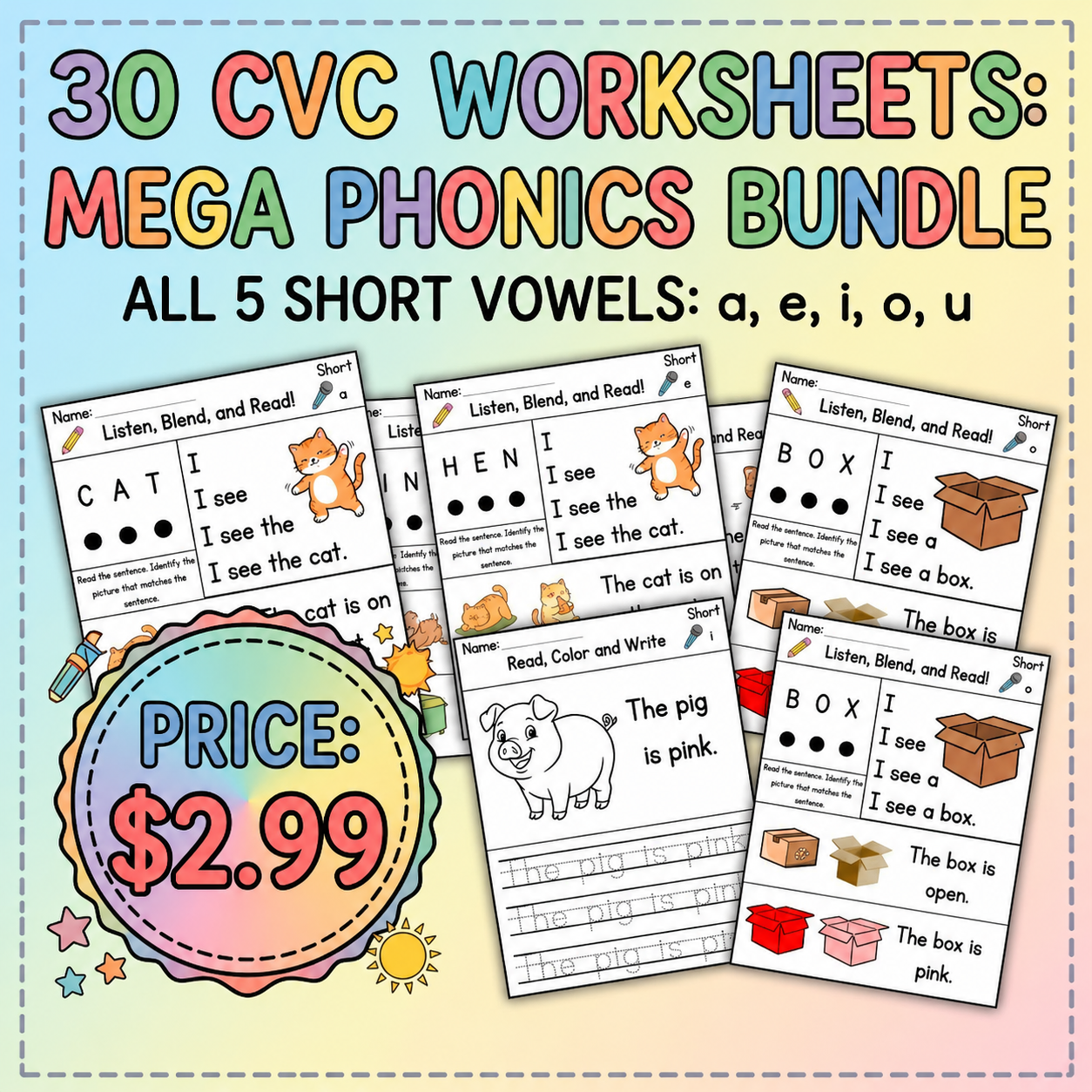
If you have been looking for practical ways to support your child's development in the area of short vowels, you are in the right place. This guide breaks down research-backed strategies and hands-on activities that you can start using immediately, whether you are a parent, teacher, or caregiver.
Why Short Vowels Are Harder Than Consonants
Understanding the fundamentals of vowel discrimination gives you practical tools to support your child's development in specific, useful ways.
Using hands-on materials and real-world examples helps children make meaningful connections to abstract concepts.
As your child masters each level, gradually increase the complexity to maintain an appropriate challenge.
For more on this topic, read our related article How To Build A Love Of Learning In Your Preschooler What Parents Need To Know.
Hand Gestures for Each Short Vowel
One of the most important aspects of hand gestures is understanding how it fits into the bigger picture.
Using hands-on materials and real-world examples helps children make meaningful connections to abstract concepts.
Above all, make sure that learning remains a joyful experience for both you and your child.
Minimal Pair Practice for Vowel Discrimination
The evidence base for vowel discrimination is strong, and results in the classroom reflect that.
Pairing visual, auditory, and kinesthetic elements creates a multi-sensory learning experience that sticks.
Keep activities varied and interesting to prevent boredom and maintain your child's natural enthusiasm for learning.
Short Vowel Picture Sorts
A growing body of evidence supports the idea that hand gestures builds neural pathways essential for learning.
Pairing visual, auditory, and kinesthetic elements creates a multi-sensory learning experience that sticks.
Looking for ready-to-use resources? Our Kindergarten Math & Logic Bundle ($4.99) gives you professionally designed materials that save hours of preparation time.
Writing Activities That Reinforce Vowel Sounds
When it comes to vowel discrimination, young children benefit most from consistent, engaging practice.
The social component of learning alongside peers adds an extra dimension of engagement and accountability.
Creating a supportive, low-pressure environment is the single most important factor in your child's success.
Moving from Short Vowels to Long Vowels
What we know from child development science is that hand gestures should be introduced gradually and with patience.
The social component of learning alongside peers adds an extra dimension of engagement and accountability.
For more on this topic, read our related article Transitioning From Daycare To Kindergarten Smoothly Classroom Edition.
Frequently Asked Questions
How do I know if my child is making progress with short vowels?
Look for small improvements over time rather than dramatic leaps. Keep a simple log of milestones, take photos of work samples, and note when your child demonstrates skills independently that previously required help.
What if my child resists hand gestures activities?
Resistance is normal and often temporary. Try changing the approach, incorporating your child's interests, or taking a break and returning later. If resistance persists, consult with your child's teacher or pediatrician.
Can minimal pairs be practiced during everyday activities?
Absolutely. Some of the best learning happens naturally during daily routines like cooking, shopping, bath time, and car rides. Look for organic opportunities to weave minimal pairs into your existing schedule.
Start Your Child's Learning Journey Today
Every moment you invest in your child's early education pays dividends for years to come. Whether you are looking for structured worksheets or creative activity ideas, we have resources designed specifically for young learners. Browse our worksheet collections or visit our resource library to find the perfect materials for your child's needs. Start today and watch your little learner grow with confidence.