Systematic phonics instruction works by introducing letter-sound correspondences in a deliberate order — one that maximises the number of words a child can read as quickly as possible. After children master the initial sounds alongside the satpin group, the g, m, d, o, c, k sounds open up hundreds of decodable words. That milestone changes how a child sees themselves as a reader.
Why Letter-Sound Order Matters
Not all letters are equal in value when teaching early reading. A well-designed phonics sequence prioritises high-frequency letters that, when combined, produce the most decodable words for beginners. The gmdock group pairs with previously learned satpin sounds to open up words like dog, cat, mom, dig, cod, kit — real words with real meaning that children can feel proud of reading.
Introducing these sounds after satpin also avoids common reversal confusions. Teaching b and d together is a well-documented cause of persistent errors. The gmdock sequence spaces visually similar letters appropriately to reduce confusion before it starts.
How to Introduce Each New Sound
The most effective approach for each new letter-sound is a three-step sequence: hear it, say it, read it. Children should hear the sound in isolation and in words, produce it themselves with appropriate mouth position, and then encounter it in decodable text immediately. Delay that final step and the learning does not transfer to reading.
Blending practice is where the real work happens. Once a child knows the individual sounds, the ability to hold them in memory and merge them — g-o-t becomes got — is a distinct skill that requires explicit, repeated practice. Also read: Blending Sounds: How to Teach Children to Decode Words for a full breakdown of the blending process.
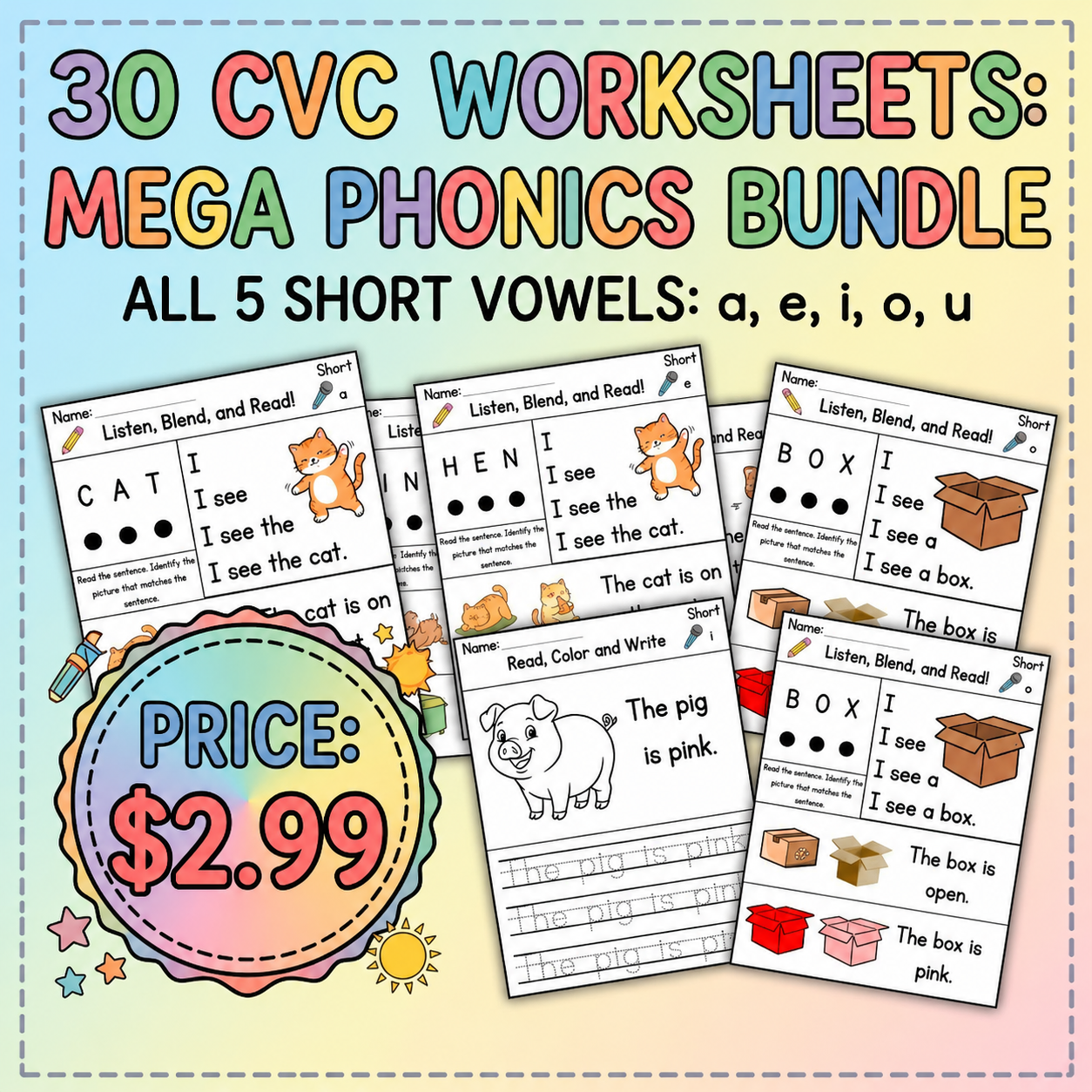
Our Science of Reading Aligned CVC Blending Worksheets — gmdock Phonics Pack ($2.49) is designed specifically for this stage. It uses varied activity types — Sound Blending Trains, Feed the Monster, Missing Sound Detective, and more — to give children the repeated, engaging blending practice that turns letter-sound knowledge into actual reading. It works seamlessly as the next step after our satpin resources, or as a standalone pack for children already familiar with basic sounds.
Signs Your Child Is Ready to Move On
A child is ready for gmdock practice when they can identify all satpin sounds automatically without hesitating. If they still pause on any satpin letters, consolidate those first. Moving on too early creates a shaky foundation; moving on at the right moment creates momentum.
Also read: Missing Middle Sounds: The Phonics Skill Most Parents Overlook — the medial vowel in CVC words is often where children stall, and it deserves focused attention during this stage.
Frequently Asked Questions
Can I teach gmdock sounds before satpin is fully mastered?
Partially — you can introduce new sounds while still consolidating earlier ones, but blending practice should only use sounds the child knows confidently. Blending with shaky sounds produces confusion, not reading.
How many new sounds should I introduce per week?
One to two new sounds per week is a reliable pace for most children in structured home practice. The key is consolidation between introductions — new sounds need to be practised in words, not just recognised in isolation.
What if my child knows the sounds but cannot blend?
Blending is a separate skill from sound recognition and needs its own practice. Use sound buttons, Elkonin boxes, and sound trains to make the blending process visible and physical before moving to printed words.
The Payoff of Getting This Stage Right
Children who move through the satpin-to-gmdock sequence with confidence arrive at independent reading faster and with fewer gaps than those taught through less systematic methods. Explore our gmdock Blending Worksheets to give your child the structured practice this stage deserves.