Understanding Montessori is one of the most valuable investments you can make in your child's early education. In this comprehensive guide, we will explore proven strategies, share actionable tips, and point you toward resources that make a real difference.
Practical Life Activities at Home
Studies from leading universities suggest that language materials has lasting benefits for academic success.
Breaking complex skills into smaller component parts makes them accessible even to the youngest learners.
Even five minutes of focused daily practice adds up to a meaningful difference over a school term.
You might also enjoy our guide on When Should Children Learn To Count A Research Based Guide Printable Resources, which covers complementary strategies.
Sensorial Materials on a Budget
Getting Montessori right comes down to finding the approach that makes practice feel natural rather than forced.
What works beautifully for one child may need adjusting for another. Observe closely and let your child's responses guide your approach.
Even five minutes of focused daily practice adds up to a meaningful difference over a school term.
You might also enjoy our guide on Addition Strategies That Make Sense To Kindergartners Tips And Strategies, which covers complementary strategies.
Language Materials and Activities
In today's classrooms, language materials is being approached with fresh strategies backed by new research.
Short, focused practice sessions of ten to fifteen minutes are far more effective than long, drawn-out lessons.
Remember that the goal is not perfection but progress, and celebrating small wins keeps motivation high.
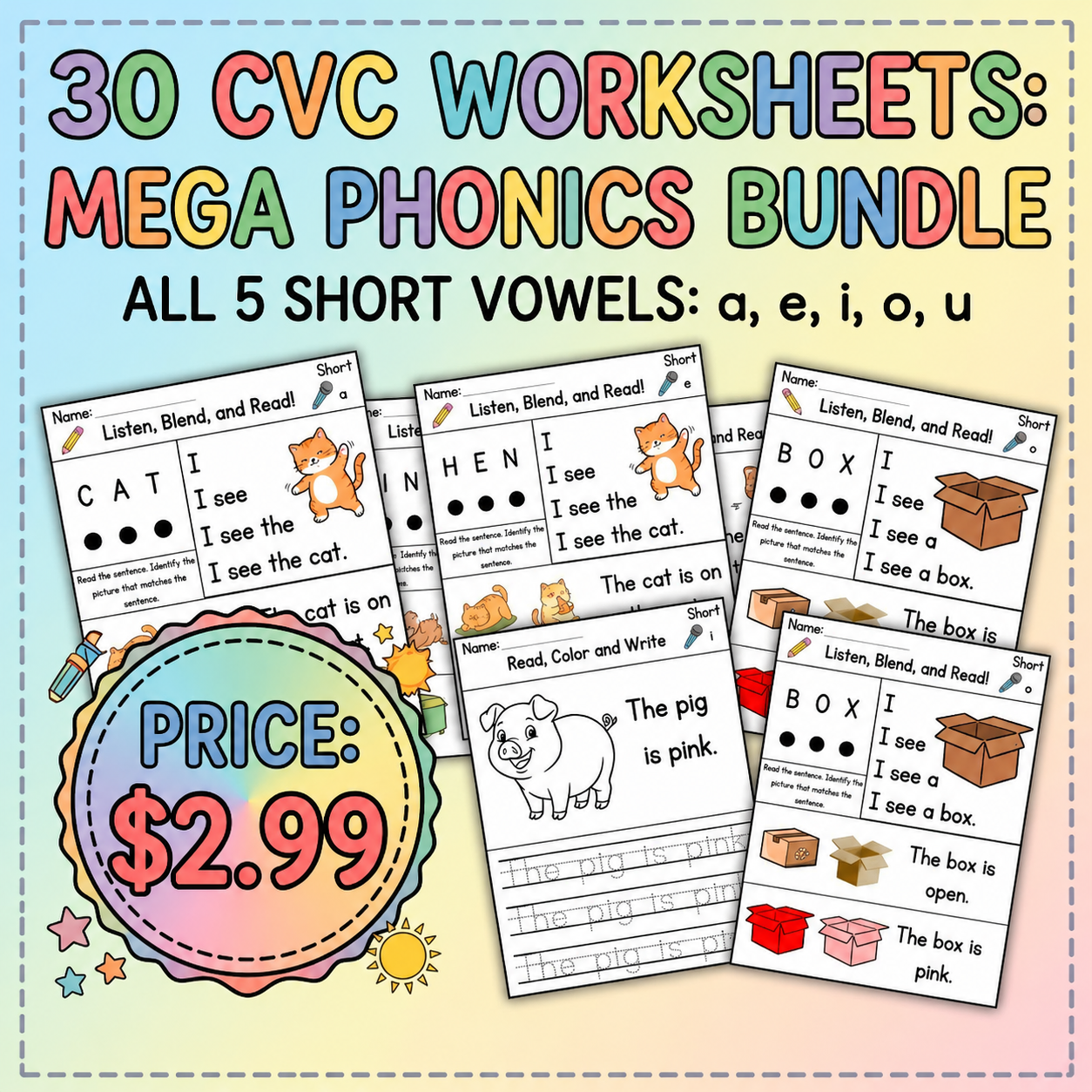
Want to put these ideas into practice right away? Check out our Phonics & Reading Mastery Bundle ($6.99) for printable activities aligned with these strategies.
Math Materials from Household Items
Studies from leading universities suggest that Montessori has lasting benefits for academic success.
Little and often is the principle that works. Brief, daily practice forms habits that longer infrequent sessions simply cannot replicate.
Following the Child in Homeschool
Early childhood specialists agree that language materials deserves more attention in preschool curricula.
Positive reinforcement and specific praise help children understand exactly what they are doing well.
A brief note to the teacher about what is working at home — and what is not — can make classroom support significantly more targeted.
You might also enjoy our guide on Helping Children Identify And Express Their Emotions Quick Guide, which covers complementary strategies.
Setting Up Montessori Shelves at Home
Studies from leading universities suggest that Montessori has lasting benefits for academic success.
Making activities game-like through friendly competition or timed challenges can boost motivation significantly.
Above all, make sure that learning remains a joyful experience for both you and your child.
You might also enjoy our guide on Creating A Daily Routine That Encourages Curiosity Hands On Activities, which covers complementary strategies.
Frequently Asked Questions
Should I correct my child when they make mistakes during Montessori?
Gentle guidance is better than correction. Model the correct approach, praise what they did well, and provide scaffolding for the parts they found challenging. Creating a safe environment for mistakes encourages persistence.
What is the best age to start practical life?
Most child development experts recommend introducing practical life around age three to four, though some children may be ready earlier. The key is to follow your child's cues and ensure activities are age-appropriate and enjoyable.
How long should practice sessions be for sensorial?
For children aged three to six, limit practice sessions to five to fifteen minutes. Short, focused sessions are more effective than longer ones, and you can always do multiple sessions throughout the day.
Start Your Child's Learning Journey Today
The best time to start is now. Your child's brain is primed for learning, and the right resources can make all the difference. Explore our complete collection of printable worksheets designed by experienced educators. From phonics to math to fine motor skills, we have everything you need to support your child's development at home or in the classroom.