The early years are a window of incredible opportunity for developing drawing stages. This guide walks you through everything you need to know, from the underlying research to practical activities you can try today.
Random Scribbling Stage
One of the most important aspects of schematic is understanding how it fits into the bigger picture.
Incorporating movement and sensory experiences into lessons dramatically increases retention and engagement.
Controlled Scribbling and Circular Motions
Progressive educators are finding new ways to integrate drawing stages into play-based learning.
Your child's natural responses to different activities are the best guide to what teaching approach will work best for them.
Parents who model enthusiasm for learning create an environment where children naturally want to participate.
Check out How To Teach Multiple Ages At Home Without Losing Your Mind Step By Step for additional activities and insights on this subject.
Pre-Schematic Drawing Tadpole People
The most effective schematic practice is the kind the child is willing to repeat the next day.
Collaboration between parents and teachers ensures that children receive consistent support across environments.
Schematic Drawing with Baseline
For children between ages three and six, drawing stages represents a significant developmental milestone.
The preparation and cleanup stages of an activity are learning opportunities in their own right, not just logistics to manage.
Above all, make sure that learning remains a joyful experience for both you and your child.
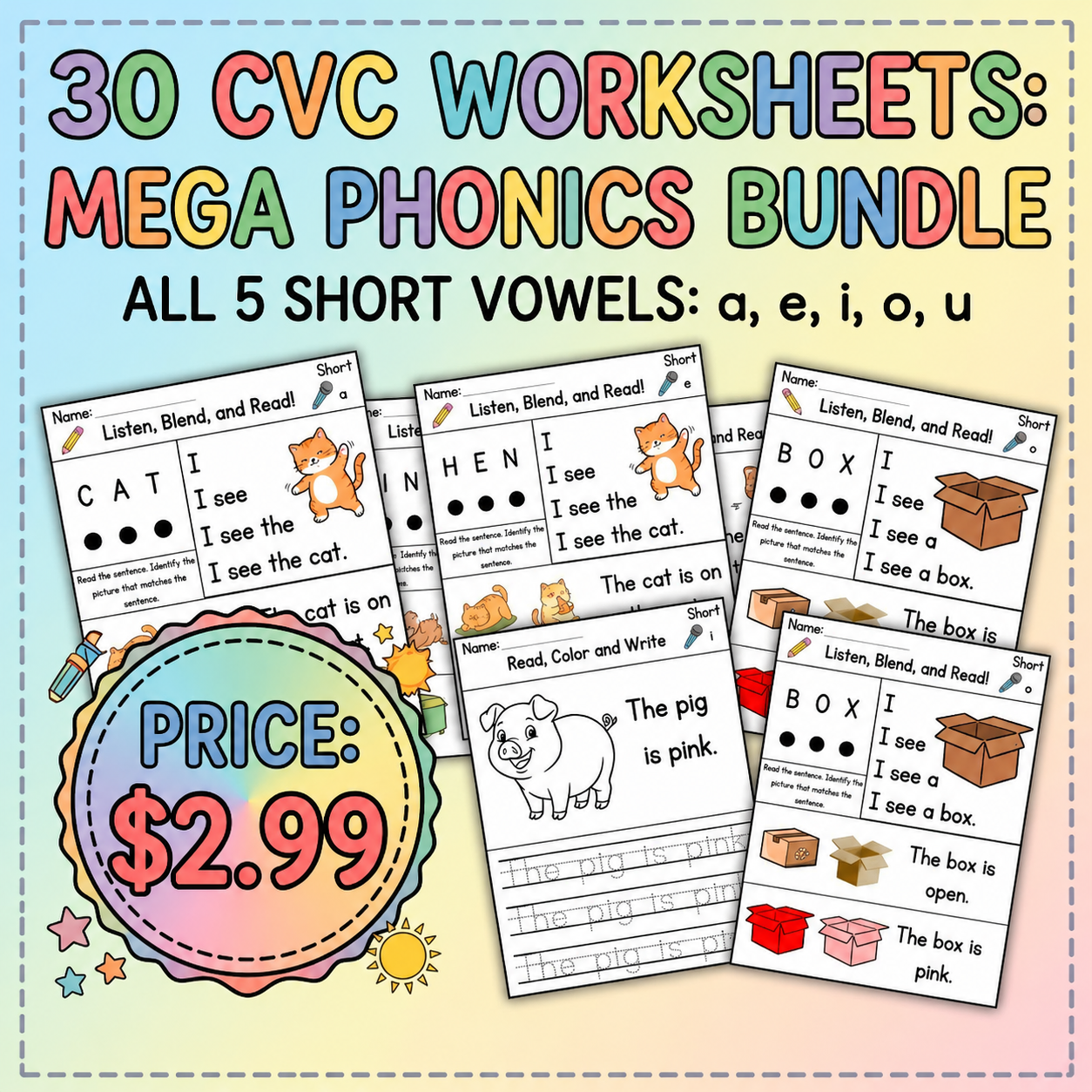
Ready to take the next step? Our Phonics CVC Words & Missing Middle Sound ($1.99) is designed specifically for children at this developmental stage.
Encouraging Drawing Without Taking Over
Teachers who specialize in early childhood education recommend schematic as a foundational skill.
Breaking complex skills into smaller component parts makes them accessible even to the youngest learners.
Check out Handwriting Practice That Does Not Feel Like Punishment Teacher Approved Methods for additional activities and insights on this subject.
When Drawing Skills Seem Behind
The most effective drawing stages practice is the kind the child is willing to repeat the next day.
When children feel safe to make mistakes, they become more willing to take the risks necessary for genuine learning.
Check out Adapting Worksheets For Children With Learning Disabilities Step By Step for additional activities and insights on this subject.
Frequently Asked Questions
Can drawing stages be practiced during everyday activities?
Absolutely. Some of the best learning happens naturally during daily routines like cooking, shopping, bath time, and car rides. Look for organic opportunities to weave drawing stages into your existing schedule.
How does scribbling connect to kindergarten readiness?
Proficiency in scribbling is considered an important indicator of kindergarten readiness. Children who have a strong foundation in this area typically transition more smoothly into formal schooling.
Should I correct my child when they make mistakes during pre-schematic?
Gentle guidance is better than correction. Model the correct approach, praise what they did well, and provide scaffolding for the parts they found challenging. Creating a safe environment for mistakes encourages persistence.
What is the best age to start schematic?
Most child development experts recommend introducing schematic around age three to four, though some children may be ready earlier. The key is to follow your child's cues and ensure activities are age-appropriate and enjoyable.
Start Your Child's Learning Journey Today
Ready to transform your child's learning experience? Our carefully crafted printable worksheets and activity packs make it easy to bring research-backed strategies into your home or classroom. Check out our free samples and discover why thousands of parents and teachers trust ABC Kindergarten for their early learning needs.