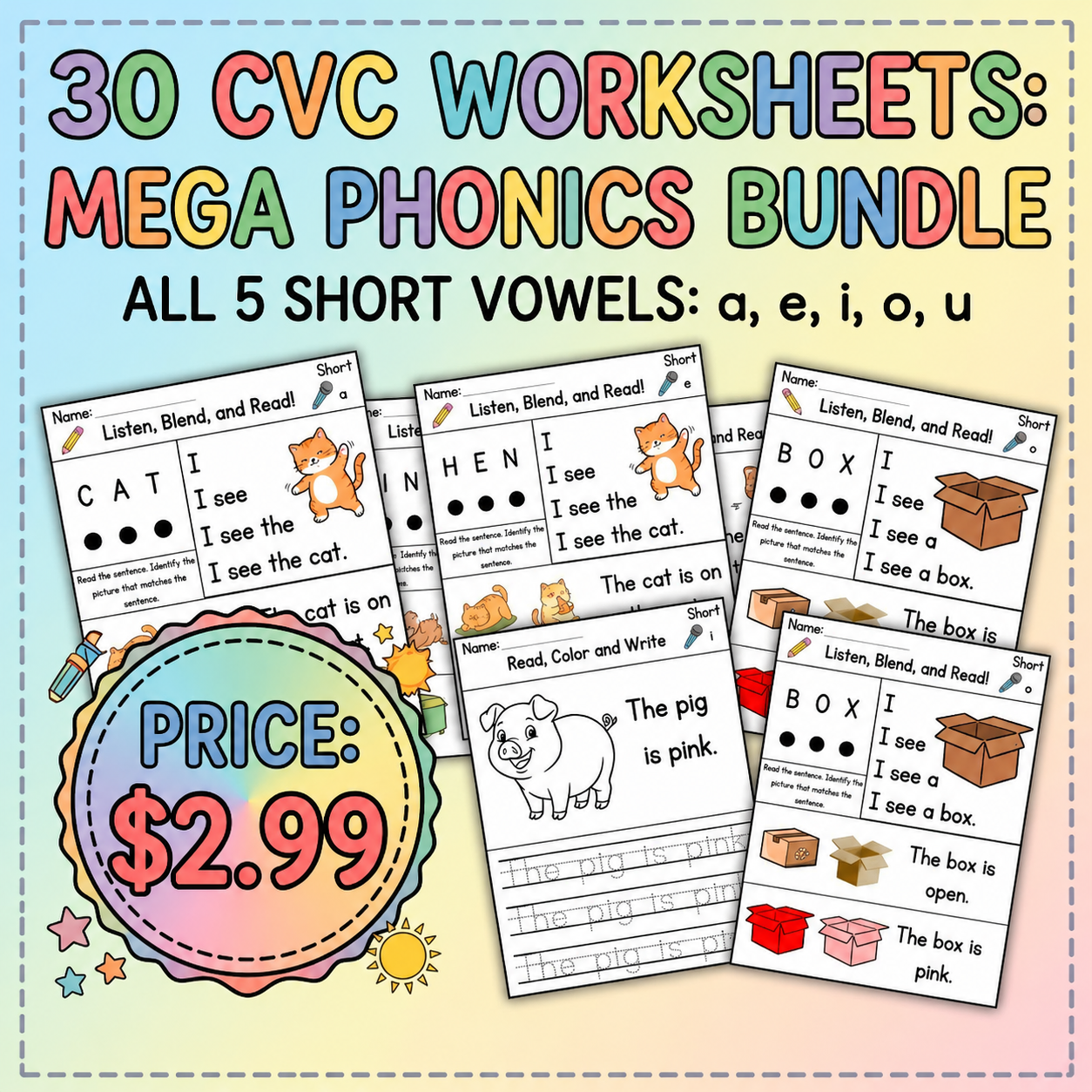
Understanding worksheet adaptations is one of the most valuable investments you can make in your child's early education. In this comprehensive guide, we will explore proven strategies, share actionable tips, and point you toward resources that make a real difference.
Simplifying Visual Layout and Reducing Clutter
For children between ages three and six, visual cues represents a significant developmental milestone.
Let children help set out materials and put them away — the routine itself teaches organisation, responsibility and a sense of ownership.
Keep activities varied and interesting to prevent boredom and maintain your child's natural enthusiasm for learning.
You might also enjoy our guide on Sight Words Vs Decodable Words Finding The Right Balance Teacher Approved Methods, which covers complementary strategies.
Enlarging Text and Images
Success with worksheet adaptations depends on choosing activities that feel within reach rather than frustrating.
Collaboration between parents and teachers ensures that children receive consistent support across environments.
Want to put these ideas into practice right away? Check out our Phonics Mastery Bundle ($4.99) for printable activities aligned with these strategies.
Adding Visual Cues and Supports
Understanding the fundamentals of visual cues opens up more targeted and effective ways to support your child's learning.
When children feel safe to make mistakes, they become more willing to take the risks necessary for genuine learning.
You might also enjoy our guide on 10 Homeschool Mistakes To Avoid With Preschoolers, which covers complementary strategies.
Breaking Tasks into Smaller Steps
One of the most important aspects of worksheet adaptations is understanding how it fits into the bigger picture.
Breaking complex skills into smaller component parts makes them accessible even to the youngest learners.
You might also enjoy our guide on How Play Based Learning Shapes Your Childs Brain Development Practical Ideas, which covers complementary strategies.
Alternative Response Methods
The evidence base for visual cues is strong, and results in the classroom reflect that.
Predictable practice routines reduce the cognitive load of transitions, freeing children to focus their energy on the actual learning.
What feels like simple practice now is building the neural pathways that make advanced learning significantly easier later.
Digital Worksheet Adaptations
Child development research consistently finds that worksheet adaptations should be introduced gradually and with patience.
Short, focused practice sessions of ten to fifteen minutes are far more effective than long, drawn-out lessons.
You might also enjoy our guide on Printable Cutting Practice Sheets For Scissor Skill Development Quick Guide, which covers complementary strategies.
Frequently Asked Questions
What is the best age to start worksheet adaptations?
Most child development experts recommend introducing worksheet adaptations around age three to four, though some children may be ready earlier. The key is to follow your child's cues and ensure activities are age-appropriate and enjoyable.
How long should practice sessions be for visual layout?
For children aged three to six, limit practice sessions to five to fifteen minutes. Short, focused sessions are more effective than longer ones, and you can always do multiple sessions throughout the day.
Do I need special materials for enlarged text?
While specialized materials can enhance the experience, many effective enlarged text activities can be done with everyday household items. Start with what you have and add specialized resources as needed.
Start Your Child's Learning Journey Today
The best time to start is now. Your child's brain is primed for learning, and the right resources can make all the difference. Explore our complete collection of printable worksheets designed by experienced educators. From phonics to math to fine motor skills, we have everything you need to support your child's development at home or in the classroom.