Understanding handwriting practice is one of the most valuable investments you can make in your child's early education. In this comprehensive guide, we will explore proven strategies, share actionable tips, and point you toward resources that make a real difference.
Making Handwriting Multisensory
When it comes to multisensory, young children benefit most from consistent, engaging practice.
Children at this stage are naturally curious, and channeling that curiosity into structured activities makes learning feel effortless.
Parents who model enthusiasm for learning create an environment where children naturally want to participate.
You might also enjoy our guide on Dot To Dot Printables That Build Number Sequence Skills Step By Step, which covers complementary strategies.
Handwriting in Context Not Isolation
When it comes to fun tools, young children benefit most from consistent, engaging practice.
When children feel safe to make mistakes, they become more willing to take the risks necessary for genuine learning.
The Right Amount of Practice Per Day
Understanding the right way to approach multisensory with their young learners.
The trick is to find the sweet spot between challenging enough to promote growth and easy enough to maintain confidence.
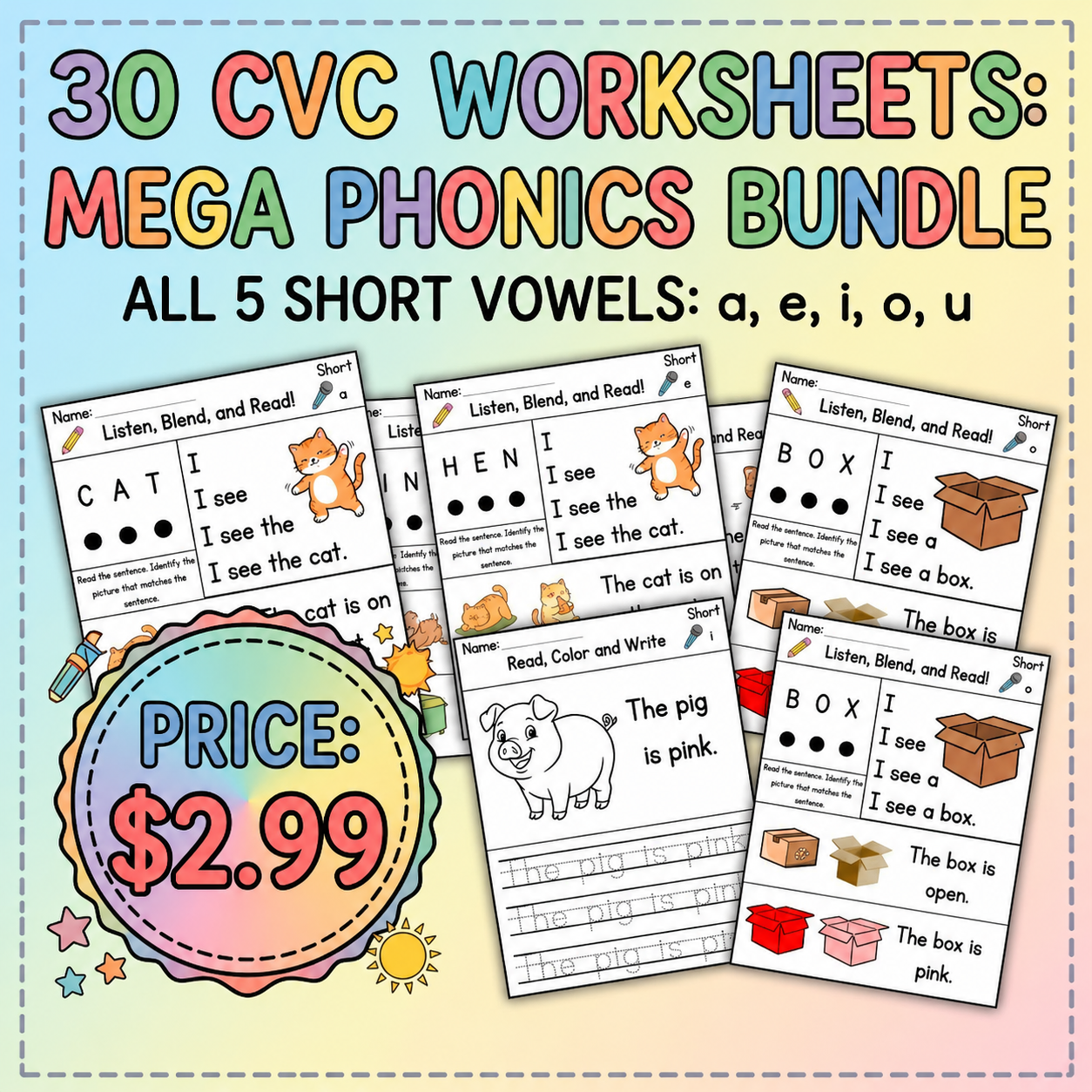
Want to put these ideas into practice right away? Check out our Short Vowel CVC Words Practice Pack ($1.99) for printable activities aligned with these strategies.
Fun Handwriting Tools and Surfaces
The journey toward mastering fun tools begins with small, manageable steps.
Building these activities into a regular routine means children spend less mental energy on "what comes next" and more on actually learning.
Connecting Handwriting to Meaningful Writing
In today's classrooms, multisensory is being approached with fresh strategies backed by new research.
Your child's natural responses to different activities are the best guide to what teaching approach will work best for them.
Creating a supportive, low-pressure environment is the single most important factor in your child's success.
When Handwriting Difficulties Need Intervention
The journey toward mastering fun tools begins with small, manageable steps.
Apps and digital tools have a role, but they work best as a supplement — not a substitute — for concrete, hands-on practice.
You might also enjoy our guide on Summer Reading Challenge Ideas For Young Learners Fun Ideas, which covers complementary strategies.
Frequently Asked Questions
Do I need special materials for handwriting practice?
While specialized materials can enhance the experience, many effective handwriting practice activities can be done with everyday household items. Start with what you have and add specialized resources as needed.
How do I know if my child is making progress with multisensory?
Look for small improvements over time rather than dramatic leaps. Keep a simple log of milestones, take photos of work samples, and note when your child demonstrates skills independently that previously required help.
What if my child resists context activities?
Resistance is normal and often temporary. Try changing the approach, incorporating your child's interests, or taking a break and returning later. If resistance persists, consult with your child's teacher or pediatrician.
Start Your Child's Learning Journey Today
The best time to start is now. Your child's brain is primed for learning, and the right resources can make all the difference. Explore our complete collection of printable worksheets designed by experienced educators. From phonics to math to fine motor skills, we have everything you need to support your child's development at home or in the classroom.