The research on summer learning loss is sobering — students can lose between one and three months of academic progress over summer break, with reading and mathematics most at risk. But the solution is not to bring school home unchanged. Summer learning works best when it is embedded in the activities and interests that make summer feel special.
Reading That Does Not Feel Like Reading Practice
The single highest-impact summer learning activity is reading for pleasure — not assigned reading, not levelled readers, but books a child actively chooses and wants to return to. A trip to the library to choose books freely, an audiobook on a long car journey, a comic book collection — all of these build the reading habit and vocabulary that underpin academic success far more reliably than a summer workbook.
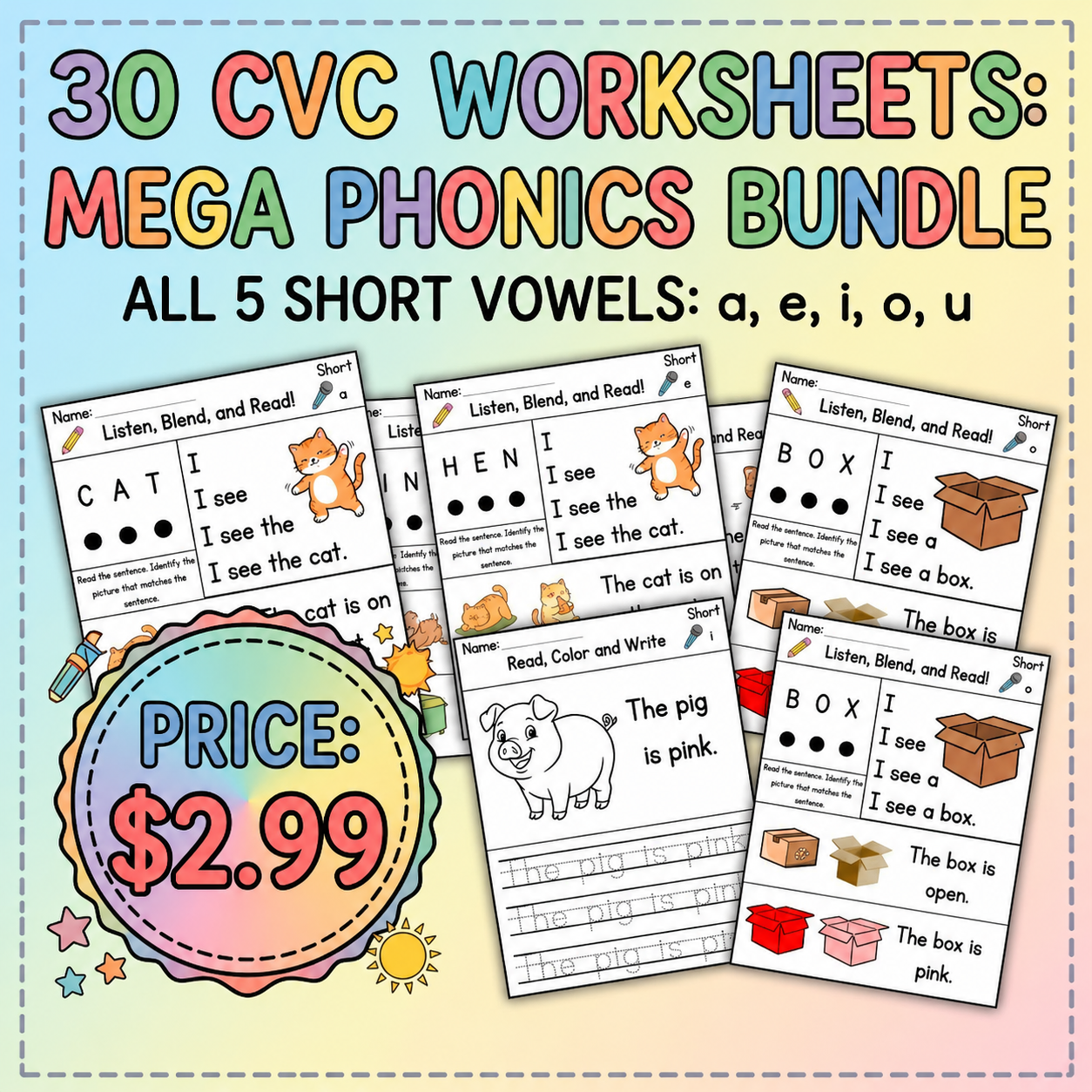
For children still developing decoding skills, summer is also an ideal time for daily blending practice in short, pressure-free sessions. Five minutes of phonics practice before a fun outdoor activity is sustainable, enjoyable and genuinely effective. Also read: End of Year Kindergarten Review: What to Cover Before Summer to identify which skills are worth prioritising.
Maths in the Real World
Summer offers unparalleled opportunities for applied mathematics. Cooking introduces measurement, fractions and doubling. Shopping involves counting, comparison and basic addition. Building projects use measurement, spatial reasoning and estimation. Keeping score in games requires addition and number sense. None of these require a curriculum — they require a parent who narrates the mathematics happening in real time.
Also read: The Best Printable Activities to Prevent Summer Learning Loss for specific resources that work well across the break.
The Outdoor Learning Advantage
Outdoor environments are rich with mathematical and scientific concepts — patterns in leaves, counting insects, measuring how far a ball rolls, sorting objects by size or colour. Nature observation builds scientific thinking, vocabulary and curiosity in ways that indoor learning rarely matches.
For literacy, outdoor writing opportunities — chalking words on a path, labelling garden plants, writing a postcard — combine fine motor practice with meaningful communication in a way that feels purposeful rather than academic.
Frequently Asked Questions
How much structured learning is appropriate over summer?
For kindergarten children, 15-20 minutes of intentional practice per day is sufficient to prevent significant learning loss. More than that risks burnout before the school year even begins.
Should I follow a curriculum over summer?
A loose framework can be helpful, but a rigid schedule often creates resistance. Plan activities around interests and adjust based on what the child responds to. The goal is to keep learning positive.
What if my child refuses to do anything that looks like school?
Focus entirely on play-based approaches. Board games for maths, audiobooks and read-alouds for literacy, cooking for both. The learning is real even when the format is entirely play.
Summer Learning Is a Mindset, Not a Programme
The families who navigate summer learning loss most effectively are not the ones who run the most structured programmes — they are the ones who see every day as full of learning opportunities and make that perspective part of their summer culture.