Understanding nutrition is one of the most valuable investments you can make in your child's early education. In this comprehensive guide, we will explore proven strategies, share actionable tips, and point you toward resources that make a real difference.
Brain Foods for Young Children
Research consistently shows that healthy snacks plays a crucial role in early childhood development.
Breaking complex skills into smaller component parts makes them accessible even to the youngest learners.
Strong early foundations reduce the struggle children experience when new academic demands arrive in later grades.
The Impact of Sugar on Focus and Behavior
The connection between nutrition and later academic achievement is well-documented in educational literature.
The trick is to find the sweet spot between challenging enough to promote growth and easy enough to maintain confidence.
Parents who model enthusiasm for learning create an environment where children naturally want to participate.
You might also enjoy our guide on Occupational Therapy Activities Parents Can Do At Home Classroom Edition, which covers complementary strategies.
Healthy Snack Ideas for Learning Time
For children between ages three and six, healthy snacks represents a significant developmental milestone.
Short, focused practice sessions of ten to fifteen minutes are far more effective than long, drawn-out lessons.
Creating a supportive, low-pressure environment is the single most important factor in your child's success.
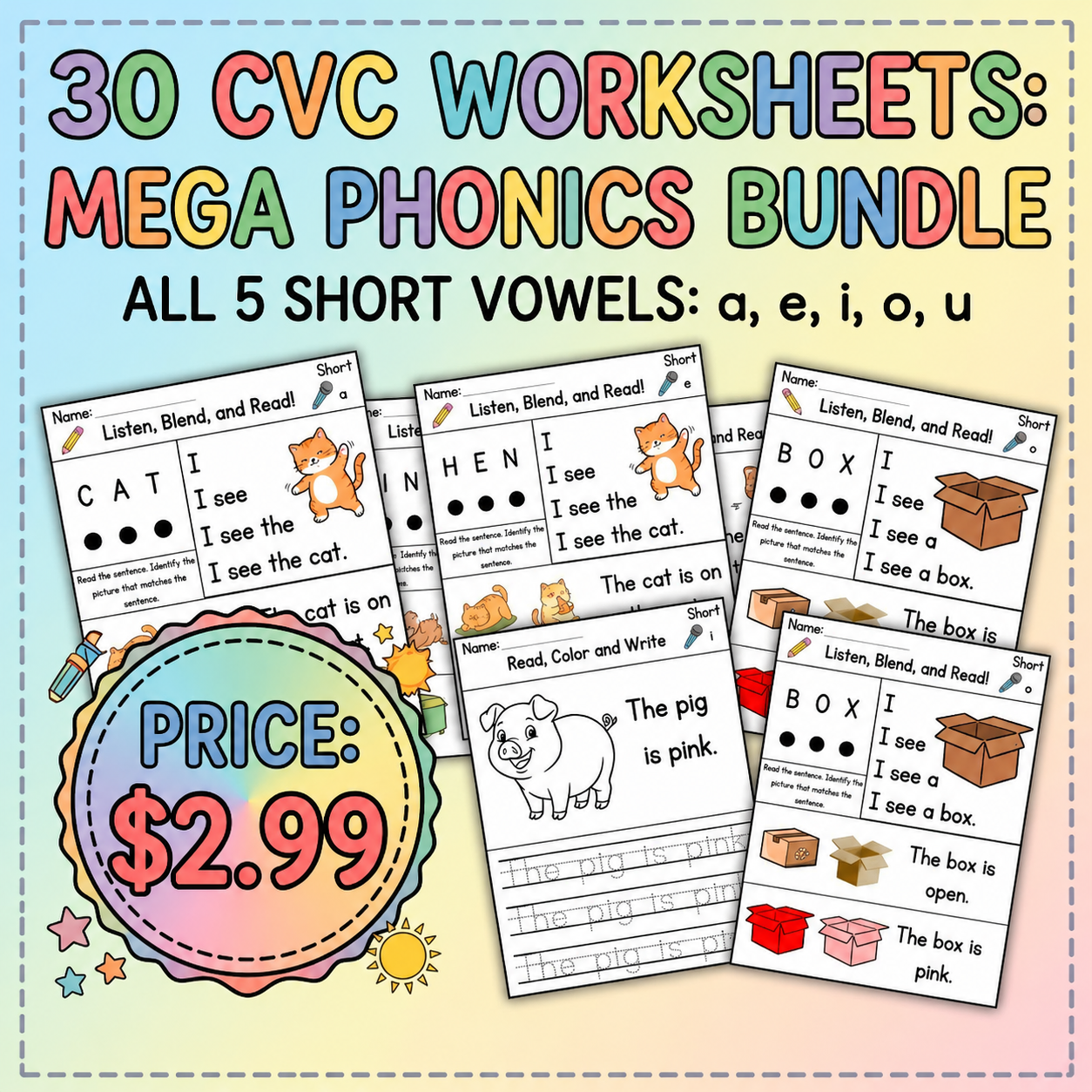
Want to put these ideas into practice right away? Check out our Phonics & Reading Mastery Bundle ($6.99) for printable activities aligned with these strategies.
Hydration and Cognitive Function
Teachers who specialize in early childhood education recommend nutrition as a foundational skill.
Watching how your child approaches a new task tells you far more about how to teach them than any assessment can.
Letting your child's teacher know what you are noticing at home helps them tailor classroom support more precisely.
Mealtime Conversations That Build Language
Progressive educators are finding new ways to integrate healthy snacks into play-based learning.
Positive reinforcement and specific praise help children understand exactly what they are doing well.
Parents who model enthusiasm for learning create an environment where children naturally want to participate.
You might also enjoy our guide on How To Talk To Your Child About Starting School Home Edition, which covers complementary strategies.
Dealing with Picky Eaters and Nutrition Concerns
One of the most important aspects of nutrition is understanding how it fits into the bigger picture.
Children who help prepare their own learning activities develop a sense of ownership that makes them more engaged in the activity itself.
Frequently Asked Questions
What is the best age to start nutrition?
Most child development experts recommend introducing nutrition around age three to four, though some children may be ready earlier. The key is to follow your child's cues and ensure activities are age-appropriate and enjoyable.
How long should practice sessions be for brain foods?
For children aged three to six, aim for practice sessions of around ten to fifteen minutes. Short, focused sessions are more effective than longer ones, and you can always do multiple sessions throughout the day.
Do I need special materials for sugar impact?
While specialized materials can enhance the experience, many effective sugar impact activities can be done with everyday household items. Start with what you have and add specialized resources as needed.
How do I know if my child is making progress with healthy snacks?
Look for small improvements over time rather than dramatic leaps. Keep a simple log of milestones, take photos of work samples, and note when your child demonstrates skills independently that previously required help.
Start Your Child's Learning Journey Today
The best time to start is now. Your child's brain is primed for learning, and the right resources can make all the difference. Explore our complete collection of printable worksheets designed by experienced educators. From phonics to math to fine motor skills, we have everything you need to support your child's development at home or in the classroom.