The early years are a window of incredible opportunity for developing math centers. This guide walks you through everything you need to know, from the underlying research to practical activities you can try today.
Setting Up Self-Directed Math Stations
The journey toward mastering card games begins with small, manageable steps.
Every child follows their own developmental timeline — the right approach is the one that works for your specific child, not the average.
Check out Math Centers That Run Themselves In Kindergarten Quick Guide for additional activities and insights on this subject.
Dice Games for Addition Practice
Progressive educators are finding new ways to integrate math centers into play-based learning.
Apps and digital tools have a role, but they work best as a supplement — not a substitute — for concrete, hands-on practice.
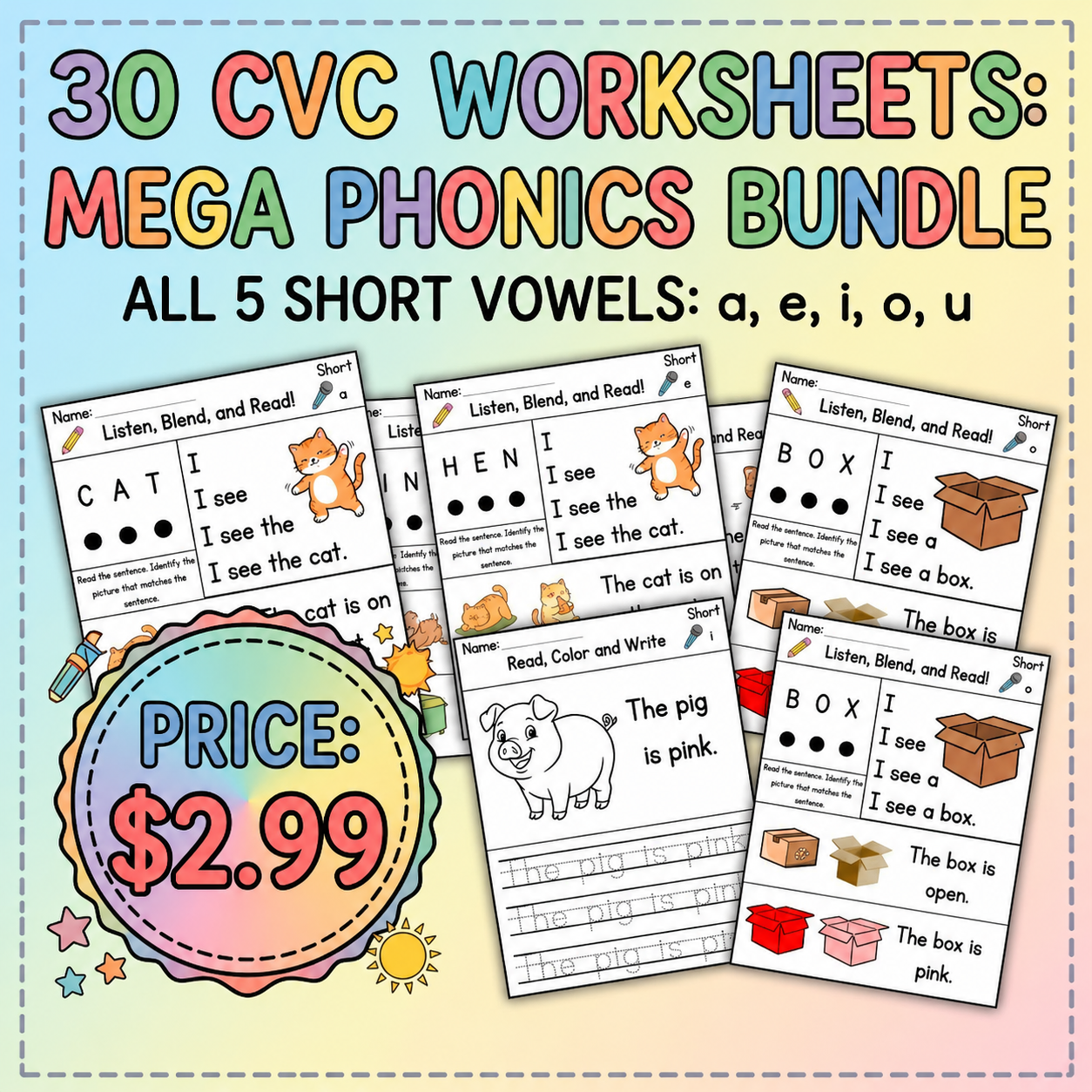
Ready to take the next step? Our Phonics Mastery Bundle ($4.99) is designed specifically for children at this developmental stage.
Card Games for Number Comparison
A growing body of evidence supports the idea that card games builds neural pathways essential for learning.
Daily repetition — even just ten focused minutes — compounds over weeks in ways that longer but less frequent sessions do not.
Check out Seasonal Printable Activity Packs For Year Round Learning Teacher Approved Methods for additional activities and insights on this subject.
Domino Math Activities
The connection between math centers and later academic achievement is well-documented in educational literature.
Using hands-on materials and real-world examples helps children make meaningful connections to abstract concepts.
Connecting these concepts to your child's favorite topics and characters increases engagement exponentially.
Check out Teaching Letter Sounds In The Right Order For Maximum Success Step By Step for additional activities and insights on this subject.
Pattern Block Centers
The connection between card games and later academic achievement is well-documented in educational literature.
Making activities game-like through friendly competition or timed challenges can boost motivation significantly.
Parent and teacher observations together give a more complete picture of a child's learning than either can access alone.
Rotating Centers Effectively
In today's classrooms, math centers is being approached with fresh strategies backed by new research.
Pairing visual, auditory, and kinesthetic elements creates a multi-sensory learning experience that sticks.
Frequently Asked Questions
Can math centers be practiced during everyday activities?
Absolutely. Some of the best learning happens naturally during daily routines like cooking, shopping, bath time, and car rides. Look for organic opportunities to weave math centers into your existing schedule.
How does self-directed learning connect to kindergarten readiness?
Proficiency in self-directed learning is considered an important indicator of kindergarten readiness. Children who have a strong foundation in this area typically transition more smoothly into formal schooling.
Should I correct my child when they make mistakes during dice games?
Gentle guidance is better than correction. Model the correct approach, praise what they did well, and provide scaffolding for the parts they found challenging. Creating a safe environment for mistakes encourages persistence.
Start Your Child's Learning Journey Today
Ready to transform your child's learning experience? Our carefully crafted printable worksheets and activity packs make it easy to bring research-backed strategies into your home or classroom. Check out our free samples and discover why thousands of parents and teachers trust ABC Kindergarten for their early learning needs.