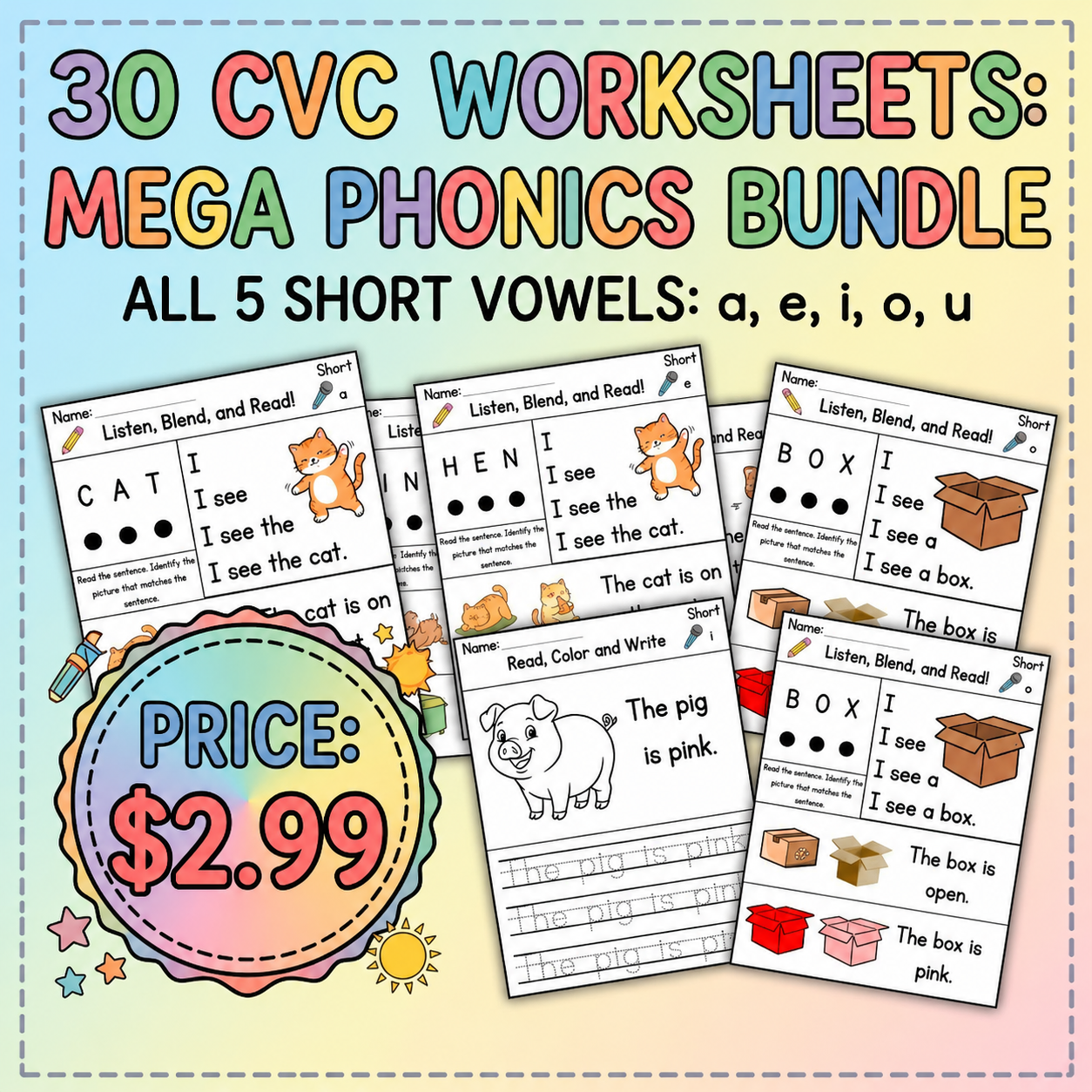
If you have been searching for effective ways to support matching activities in your young learner, you have come to the right place. Research consistently shows that the preschool years represent a unique window of opportunity for building essential skills.
Getting Started with Matching activities
Many parents worry about pushing their children too hard academically at a young age. The good news is that when matching activities activities are presented in a playful, low-pressure way, children naturally gravitate toward them. The key is making learning feel like fun rather than work.
Practical Tips and Activities
- Use quality printable worksheets that provide structured practice in an engaging format
- Create a dedicated learning space that is comfortable, well-lit, and free from distractions
- Incorporate real-world examples from daily life to show children how these skills are used everywhere
- Start with short sessions of 10-15 minutes and gradually increase as your child attention span grows
- Use repetition strategically because young brains need multiple exposures to truly master new concepts
- Celebrate effort and progress rather than perfection to build a positive relationship with learning
Age-Appropriate Expectations
Ages 2-3 (Toddlers)
At this age, children are just beginning to explore matching activities concepts through sensory experiences and simple repetition. Keep activities very short, highly tactile, and full of positive encouragement. Expect lots of exploration and very little precision at this stage, and that is perfectly normal.
Ages 3-4 (Preschool)
Preschoolers can handle more structured activities and begin to show genuine interest in mastering skills. Introduce printable worksheets at this stage with activities that match their developing abilities. Look for materials that combine colorful visuals with clear, simple instructions.
Ages 4-6 (Pre-K and Kindergarten)
Children in this age range are ready for more challenging tasks and can work more independently. They can follow multi-step directions and take pride in completing worksheets and projects. This is an excellent time to introduce more structured learning routines.
Key Benefits of Early Practice
- Builds confidence as children see themselves improving with practice
- Develops fine motor skills through activities like tracing, coloring, and cutting
- Strengthens neural pathways during the critical window of brain development
- Prepares for school by building the foundational skills that kindergarten teachers expect
- Creates positive associations with learning that last throughout academic life
- Supports parent-child bonding through shared learning experiences
Making It Work for Your Family
Remember that every child is unique, and what works for one may not work for another. The most important thing is to stay consistent, keep activities fun, and celebrate every small victory along the way. If your child resists a particular activity, try a different approach or come back to it another day.
For more ideas on supporting your child development, check out our article on Alphabet Books Every Preschooler Should Own. And don't forget to explore our free sample worksheets to get started right away!
Ready to Start Learning?
Browse our collection of printable worksheets designed by teachers for ages 2-6.
You Might Also Enjoy
- Alphabet Books Every Preschooler Should Own
- Teaching Counting To Toddlers From Rote To Meaningful Numbers
Looking for a structured way to practise this at home or in the classroom? Our Picture Clue Detective Worksheets ($2.99) gives you everything you need in one ready-to-use printable pack.