Understanding interactive writing is one of the most valuable investments you can make in your child's early education. In this comprehensive guide, we will explore proven strategies, share actionable tips, and point you toward resources that make a real difference.
What Is Interactive Writing and Why It Works
When it comes to shared pen, young children benefit most from consistent, engaging practice.
The social component of learning alongside peers adds an extra dimension of engagement and accountability.
Creating a supportive, low-pressure environment is the single most important factor in your child's success.
You might also enjoy our guide on Printable Tracing Worksheets Beyond Just Letters And Numbers Tips And Strategies, which covers complementary strategies.
Shared Pen Technique for Kindergartners
Understanding the fundamentals of writing to reading opens up more targeted and effective ways to support your child's learning.
Incorporating movement and sensory experiences into lessons dramatically increases retention and engagement.
By making these activities a natural part of your daily routine, learning becomes seamless and enjoyable.
Connecting Phonics Knowledge to Writing
Research consistently shows that shared pen plays a crucial role in early childhood development.
Children at this stage are naturally curious, and channeling that curiosity into structured activities makes learning feel effortless.
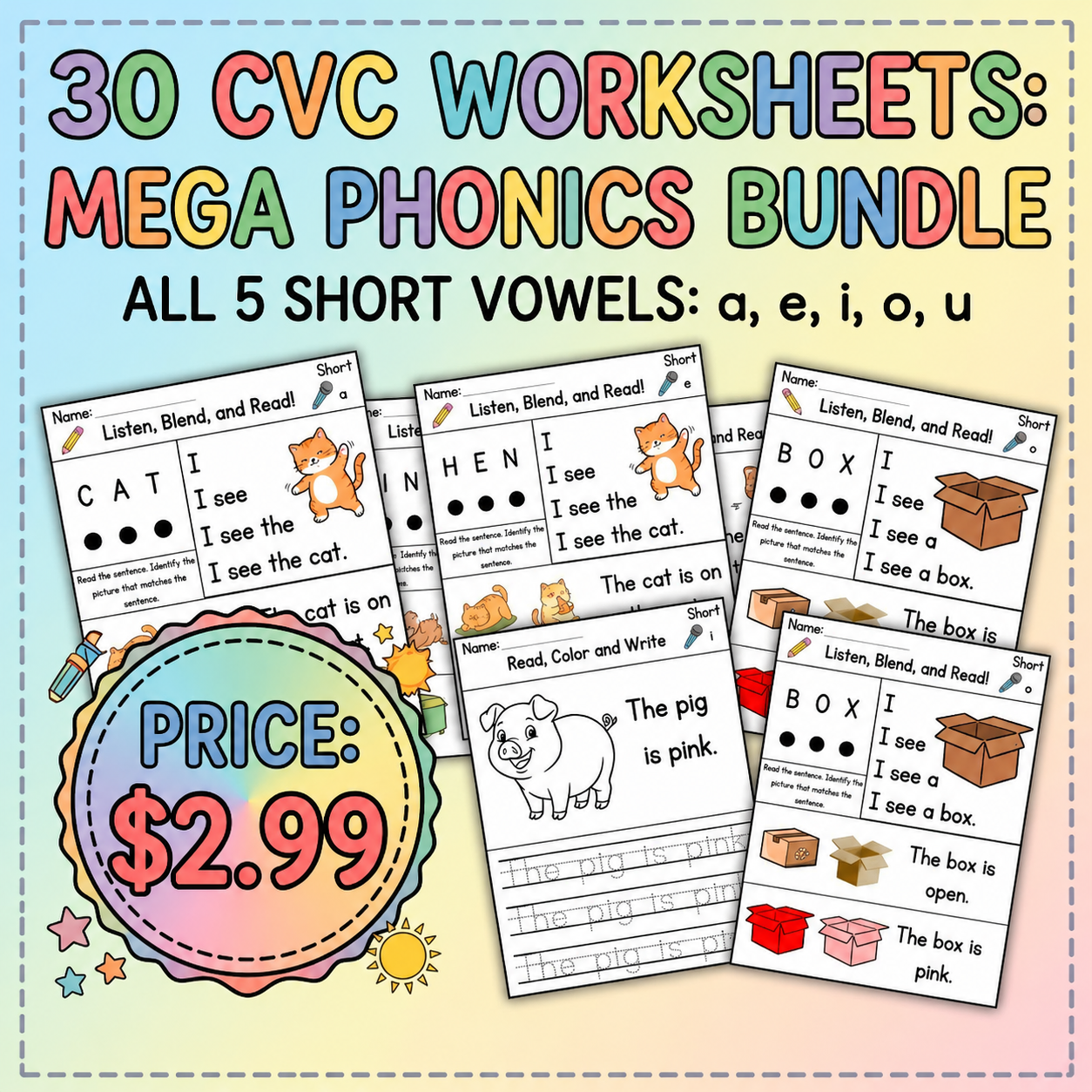
Want to put these ideas into practice right away? Check out our Short Vowel CVC Words Practice Pack ($1.99) for printable activities aligned with these strategies.
Using Student Writing as Reading Material
Families who prioritize writing to reading often see remarkable progress within just a few weeks.
Collaboration between parents and teachers ensures that children receive consistent support across environments.
Do not hesitate to modify activities based on your child's individual needs and interests.
You might also enjoy our guide on Classroom Transitions That Save Twenty Minutes A Day Tips And Strategies, which covers complementary strategies.
Morning Message as a Teaching Tool
When it comes to shared pen, young children benefit most from consistent, engaging practice.
The trick is to find the sweet spot between challenging enough to promote growth and easy enough to maintain confidence.
Short bursts of practice woven into existing routines are often more effective than dedicated but infrequent longer sessions.
You might also enjoy our guide on Fluency Practice Techniques For Beginning Readers Tips And Strategies, which covers complementary strategies.
From Interactive to Independent Writing
Research in early childhood development shows that writing to reading should be introduced gradually and with patience.
Breaking complex skills into smaller component parts makes them accessible even to the youngest learners.
Creating a supportive, low-pressure environment is the single most important factor in your child's success.
Frequently Asked Questions
How long should practice sessions be for interactive writing?
For children aged three to six, aim for practice sessions of around ten to fifteen minutes. Short, focused sessions are more effective than longer ones, and you can always do multiple sessions throughout the day.
Do I need special materials for shared pen?
While specialized materials can enhance the experience, many effective shared pen activities can be done with everyday household items. Start with what you have and add specialized resources as needed.
How do I know if my child is making progress with phonics connection?
Look for small improvements over time rather than dramatic leaps. Keep a simple log of milestones, take photos of work samples, and note when your child demonstrates skills independently that previously required help.
Start Your Child's Learning Journey Today
The best time to start is now. Your child's brain is primed for learning, and the right resources can make all the difference. Explore our complete collection of printable worksheets designed by experienced educators. From phonics to math to fine motor skills, we have everything you need to support your child's development at home or in the classroom.