If reading time has become a battle in your household, it's time to change the game — literally. When children associate reading with pressure, correction, and frustration, they develop a resistance that can follow them for years. The fix isn't more reading practice. It's making reading feel nothing like practice at all.
Remove the Performance Pressure
Many children resist reading because every session feels like a test. They're expected to sound out every word correctly, read fluently, and demonstrate comprehension. That's exhausting even for adults learning a new skill. Instead, try these low-pressure approaches:
- Read together, not in turns: Read aloud simultaneously with your child so they hear the correct pronunciation while practicing, without the spotlight of reading solo
- Let them read "below level": If your child gravitates toward "easy" books, celebrate it. Rereading familiar texts builds fluency and confidence
- Skip the comprehension quiz: Not every book needs to end with "So what happened in the story?" Sometimes just enjoying the book is enough
Make It Physical
Reading doesn't have to mean sitting still in a chair. Active reading strategies work wonders for restless learners:
- Word hunt walks: Walk around the neighborhood reading signs, menus in windows, and bumper stickers
- Flashlight reading: Turn off the lights, grab a flashlight, and read under a blanket fort
- Reading scavenger hunt: Hide simple word cards around the house and let your child find and read them
Use Their Interests as Bait
A child who won't touch a chapter book might devour a comic about dinosaurs, a recipe for cookies, or the instructions for a new toy. All reading counts. If your child is obsessed with space, find books about space. If they love animals, let them read animal fact cards. Meeting them where their passion lives removes resistance instantly.
Playful Reading Activities
Our word search generator turns vocabulary practice into a game children actually ask to play. You can create puzzles using words from books your child is reading, reinforcing recognition without any "work" feeling attached.
Similarly, our word tracing tool lets children interact with high-frequency words through a calming, repetitive activity that builds both reading and writing skills simultaneously.
The Power of Choice
Let your child choose what they read, when they read, and where they read. Autonomy is a powerful motivator. A child who picks their own book from the library shelf has already made an emotional investment in reading it. A child handed a book by an adult starts with resistance.
Build a Reading-Rich Environment
Scatter books throughout your home — not just on bookshelves but on the coffee table, by the toilet, next to their bed, in the car. When books are as accessible as toys, children reach for them naturally. Check out our kindergarten worksheets for reading-adjacent activities like sight word practice and phonics games that feel like play.
The ultimate goal is a child who reads because they want to, not because they have to. Every positive, pressure-free reading experience is a brick in that foundation. Build enough of them, and the love of reading takes care of itself.
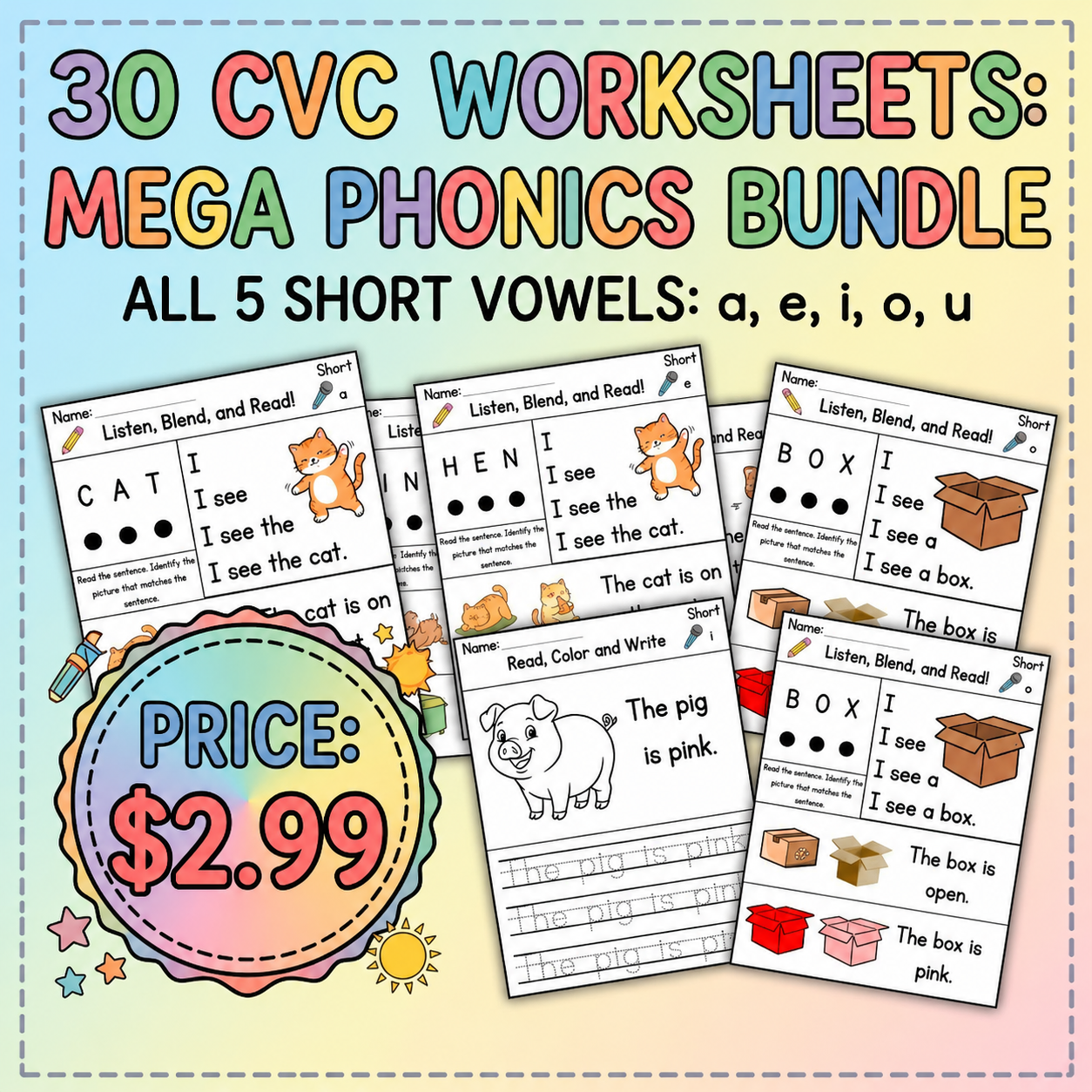
Looking for a structured way to practise this at home or in the classroom? Our Phonics Mastery Bundle: Blends, Passages & Short Vowels ($2.50) gives you everything you need in one ready-to-use printable pack.