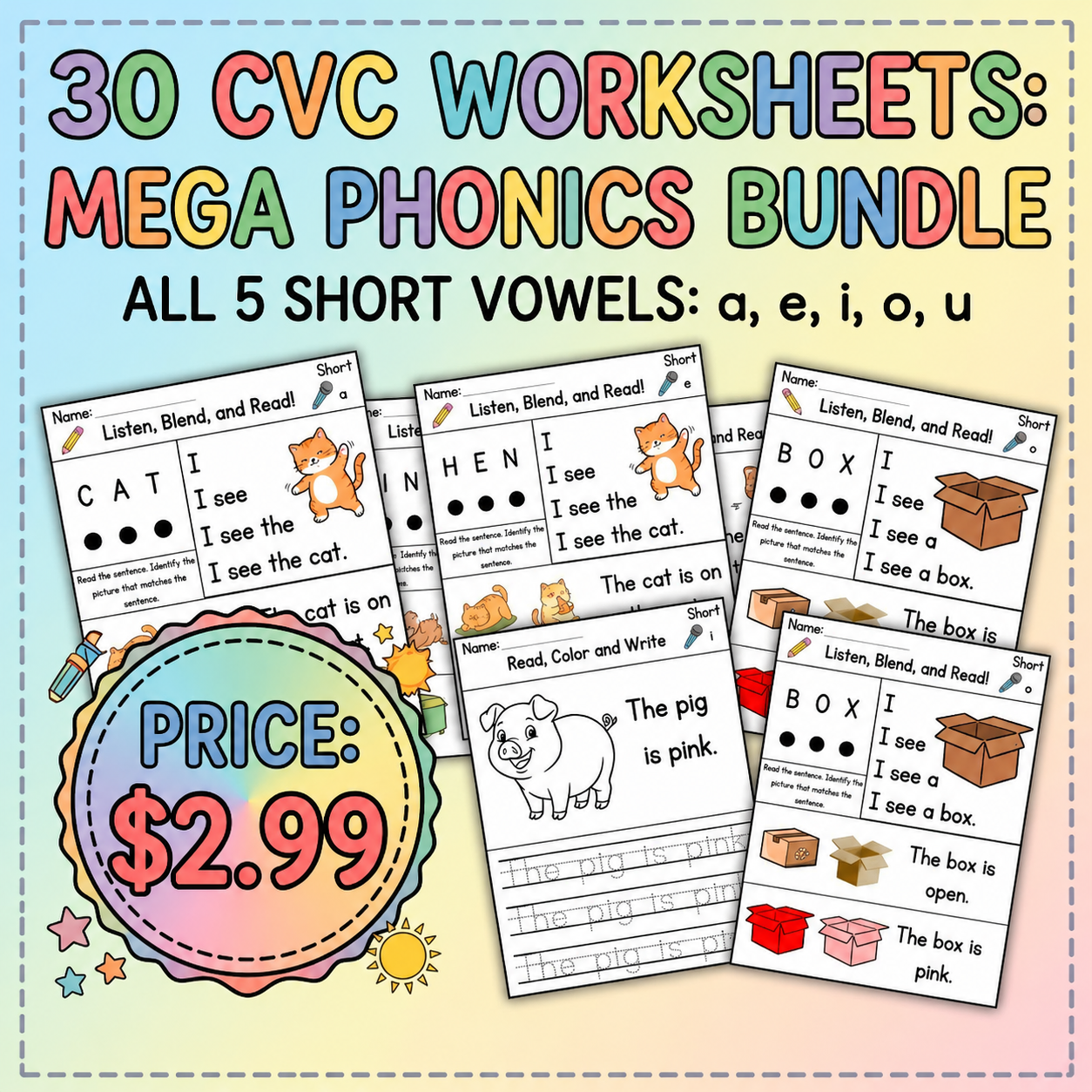
Looking for evidence-based approaches to learning value printables? You've come to the right place. We've compiled insights from educators, child development experts, and parents who have seen real results.
Building Independence
The ultimate goal of early education is to build independent learners. Start by modeling the activity, then do it together, then let your child try with minimal help, and finally step back completely.
This gradual release of responsibility — often called "I do, we do, you do" — is one of the most effective teaching frameworks for young children.
Tips for Getting Started
Start with just 10-15 minutes of focused practice per day. Young children have short attention spans, and pushing too hard can create negative associations with learning.
Follow your child's lead. If they show interest in letters, lean into that. If numbers fascinate them, build on that enthusiasm. The most effective learning happens when children are intrinsically motivated.
Create a dedicated learning space — even a small corner of a table — where your child knows it's time to focus. Having materials organized and ready reduces transition time and keeps engagement high.
Save yourself hours of prep time. The Label It, Write It! CVC "O" Words Activity Pack includes everything you need, professionally designed and classroom-tested. Only $1.99.
How to Measure Progress
Track your child's development by keeping a simple portfolio of their work over time. Looking back at worksheets from a few weeks or months ago can reveal dramatic improvement that daily observation might miss.
Focus on effort and progress, not perfection. A child who traces wobbly letters today but smoother ones next week is making excellent progress, even if the letters aren't perfect yet.
Quick tip: Try our free Alphabet Tracing Tool to create custom practice sheets tailored to your child's needs — no signup required.
Why This Matters for Young Learners
Research consistently shows that children who receive quality early education are more likely to succeed academically and socially in later years. The skills developed during ages 3-7 form the foundation for all future learning.
When children engage with structured activities — whether worksheets, hands-on projects, or guided play — they build neural pathways that support reading, math, and critical thinking. The key is consistency and making learning enjoyable.
Quick tip: Try our free Math Practice Generator to create custom practice sheets tailored to your child's needs — no signup required.
Making It Fun: Practical Ideas
Turn learning into a game whenever possible. Use timers for friendly challenges ("Can you trace all the letters before the timer goes off?"), offer sticker rewards for completed worksheets, or create a simple chart to track achievements.
Involve your child in choosing activities. When children have a say in what they work on, they're more engaged and more likely to persevere through challenging tasks.
Save yourself hours of prep time. The Digraph Sounds Worksheets PH, WH, TH, SH, CH, CK includes everything you need, professionally designed and classroom-tested. Only $2.99.
Want to try before you buy? Download our free worksheet samples and see the quality for yourself.
Browse our full collection of Math Worksheets for more resources like these.
Frequently Asked Questions
How much time should young children spend on worksheets each day?
For children ages 3-6, 10-20 minutes of focused worksheet time is ideal. Keep sessions short and positive, and always stop before frustration sets in. Consistency matters more than duration.
What's the best way to motivate a reluctant learner?
Offer choices (let them pick which worksheet to do), use a reward system (stickers, stamps), keep sessions short, and always end on a positive note. Making learning feel like play rather than work is the most effective motivator.
Can I use the same worksheets multiple times?
Absolutely! Print-and-use PDF worksheets can be printed as many times as needed. Repetition is actually beneficial — children build mastery through repeated practice with familiar materials.
You Might Also Enjoy
- How to Track Progress When Homeschooling Pre-K
- Why PDF Worksheets Are the Best Format for Parents and Teachers — Complete Guide (555)
- How to Celebrate Small Wins in Your Child's Learning Journey
Take the Next Step
The best time to start is now. Whether you print one worksheet today or build a complete learning routine, every small step counts toward your child's success.
Explore our full range of educational printables — designed by teachers, loved by kids, and trusted by parents worldwide.