A learning binder is one of the most practical tools in a parent's arsenal. It's a portable, organized collection of reusable worksheets and activities that keeps children engaged during car trips, restaurant waits, doctor's appointments, and travel. Best of all, it takes under an hour to assemble and costs very little.
What You Need
- A 1-inch three-ring binder (slim enough for a diaper bag or backpack)
- Sheet protectors (the heavier-weight ones last longer)
- Dry-erase markers (fine tip for small hands) and a small cloth or sock for erasing
- Printed activity pages (more on this below)
- A zippered pencil pouch that clips into the binder for supplies
Choosing the Right Activities
The best binder activities are self-explanatory and reusable. Here's what to include by skill area:
Literacy Pages
- Alphabet tracing sheets (uppercase and lowercase)
- Name tracing practice
- Letter matching — draw a line from uppercase to lowercase
- Beginning sound picture sorts
Our free alphabet tracing generator and name tracing tool are perfect for this. Print the pages and slide them into sheet protectors. Your child traces with a dry-erase marker, wipes clean, and does it again.
Math Pages
- Number tracing 1-20
- Counting objects and circling the correct numeral
- Simple patterns to complete
- Shape identification and tracing
Fine Motor Pages
- Maze worksheets (start simple, increase complexity)
- Dot-to-dot pages
- Path tracing (wavy lines, zigzags)
- Shape tracing
Organization Tips
Use colored divider tabs to separate sections: Letters, Numbers, Shapes, and Fun. Place easier activities at the front so your child starts with confidence. Rotate pages every two to three weeks to prevent boredom. Keep a small stack of replacement pages at home so refreshing the binder takes just minutes.
Making It Special
Let your child decorate the binder cover with stickers or a photo. Call it their "busy binder" or "adventure book." When children feel ownership over the binder, they're more excited to use it. Some families keep the binder exclusively for outings, which adds novelty — children look forward to it because they don't see it every day.
Age-Appropriate Binder Ideas
Ages 2-3: Focus on scribbling pages, simple tracing, color matching, and large dot-to-dots. Use our toddler worksheets as a starting point.
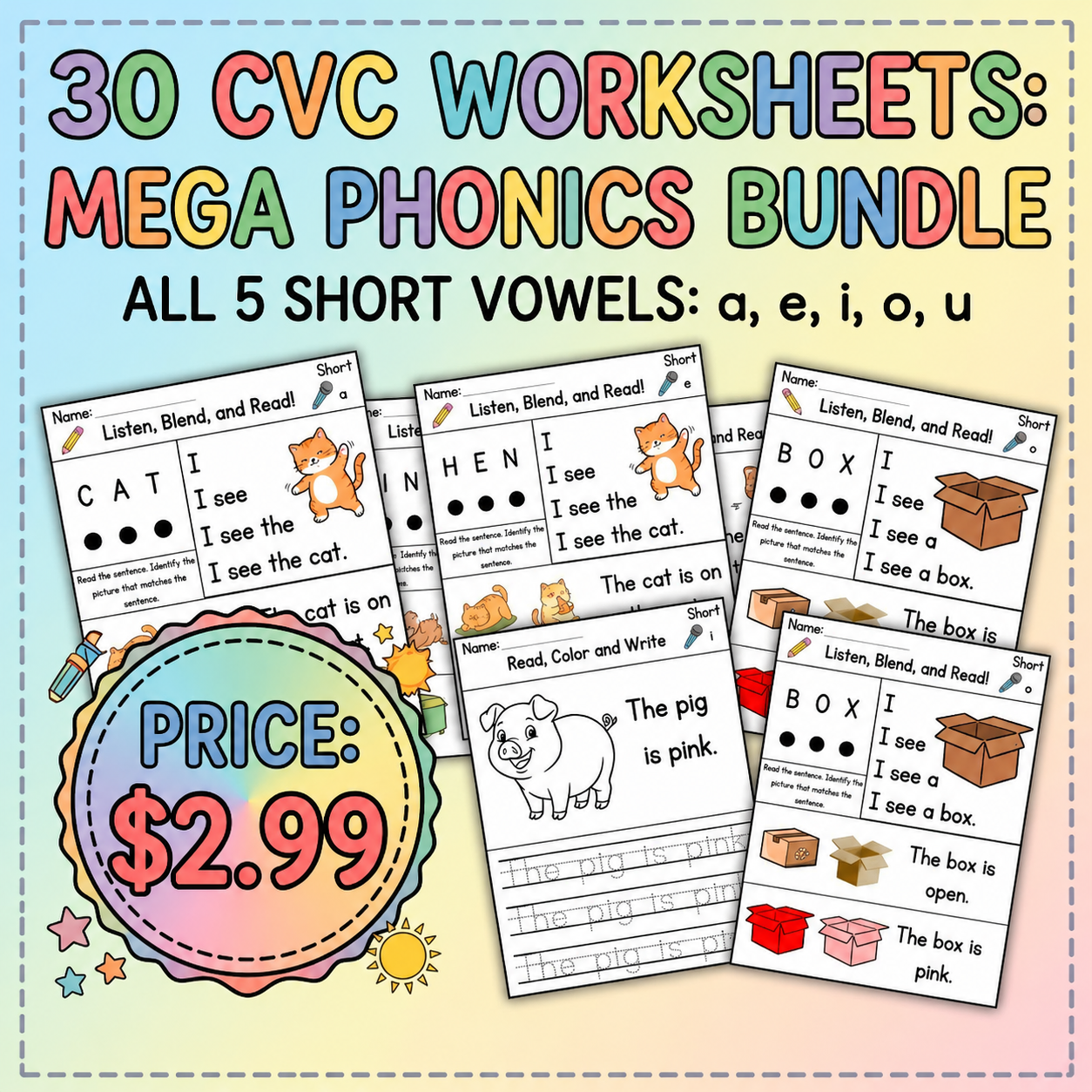
Ages 4-5: Include letter and number writing, CVC word building, counting to 20, and beginning addition. Our pre-K worksheets fit this level perfectly.
Ages 5-6: Add sight word practice, simple sentences to trace, two-digit number writing, and basic math facts.
The Dry-Erase Advantage
Sheet protectors transform any printed worksheet into a reusable dry-erase activity. This means one printed page gives you unlimited practice sessions. It also removes the pressure of mistakes — children write, erase, and try again without wasting paper or feeling that errors are permanent. For a full collection of printable pages perfect for binder use, browse our complete worksheet library.
Looking for a structured way to practise this at home or in the classroom? Our Behavior & Classroom Rules Posters Pack ($3.99) gives you everything you need in one ready-to-use printable pack.