The first thirty minutes of a child's school day set the emotional and cognitive tone for everything that follows. A chaotic arrival leads to a distracted, dysregulated child. A calm, purposeful morning routine leads to a child who is focused, confident and ready to absorb new learning. The difference is entirely buildable.
Why Morning Routines Matter for Young Learners
Young children's brains rely heavily on predictability. When they know exactly what comes next, their mental energy is free for actual learning rather than navigating transitions and uncertainty. A 2019 study in the Journal of Developmental Psychology found that children with consistent morning routines scored significantly higher on measures of executive function — attention, impulse control and cognitive flexibility — than peers with variable mornings, even when controlling for sleep duration and family income.
The Five Elements of an Effective Classroom Morning Routine
- Arrival ritual — a consistent greeting signals the learning day has begun and helps children transition emotionally from home to school.
- Independent morning work — a predictable, low-demand task already at every seat gives children something purposeful to do immediately, eliminating the "what do I do now?" chaos of unstructured arrival time.
- Morning message or circle — a brief community moment that reviews the day's schedule and builds a sense of belonging.
- Calendar and attendance — a two to three-minute ritual that reinforces number sense and temporal awareness.
- Explicit schedule preview — telling children what will happen today and when reduces anxiety and improves on-task behaviour for the rest of the day.
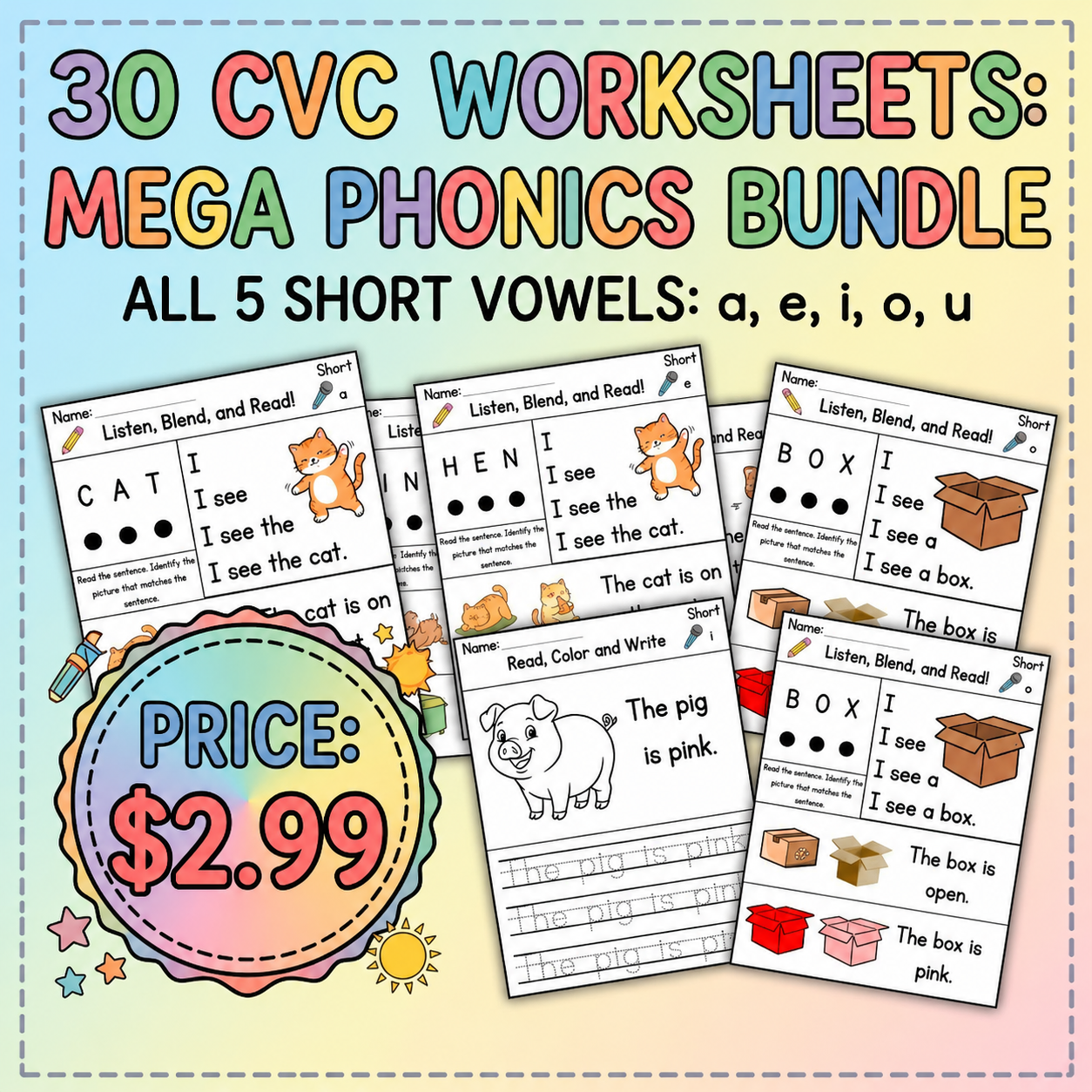
Ready-to-use morning work removes all the prep burden. Our Kindergarten Addition and Subtraction Worksheets ($1.99) make ideal morning warm-ups — one self-contained page per day, requiring no teacher introduction and providing a satisfying sense of completion before the main lesson begins.
Making Morning Routines Work at Home
A visual schedule posted at child height transforms the home morning. Use pictures for pre-readers: a toothbrush, a bowl, a backpack. When children can see the whole sequence at a glance, the "what comes next?" argument disappears because the answer is always right there on the wall.
Building even five minutes of learning warm-up into the home morning — one page of phonics or maths practice while breakfast settles — means children arrive at school already in learning mode. Teachers notice the difference immediately. Also see Printable Morning Work Pages for Independent Starters for resources that fit a home morning routine perfectly.
Frequently Asked Questions
How long does it take to establish a new routine?
Research suggests three to four weeks of consistent implementation before a routine becomes automatic. Expect some resistance in the first week — stay warm and consistent and it will settle.
What if we are often running late?
Build a "minimum viable routine" — the two or three non-negotiables that must happen even on the worst day. Communicating this to your child in advance preserves predictability even in imperfect circumstances.
Set the Stage for Every Learning Day
A great morning routine is one of the highest-return investments in your child's educational experience. Explore our full collection of printable worksheets to find morning work that matches exactly where your child is right now.