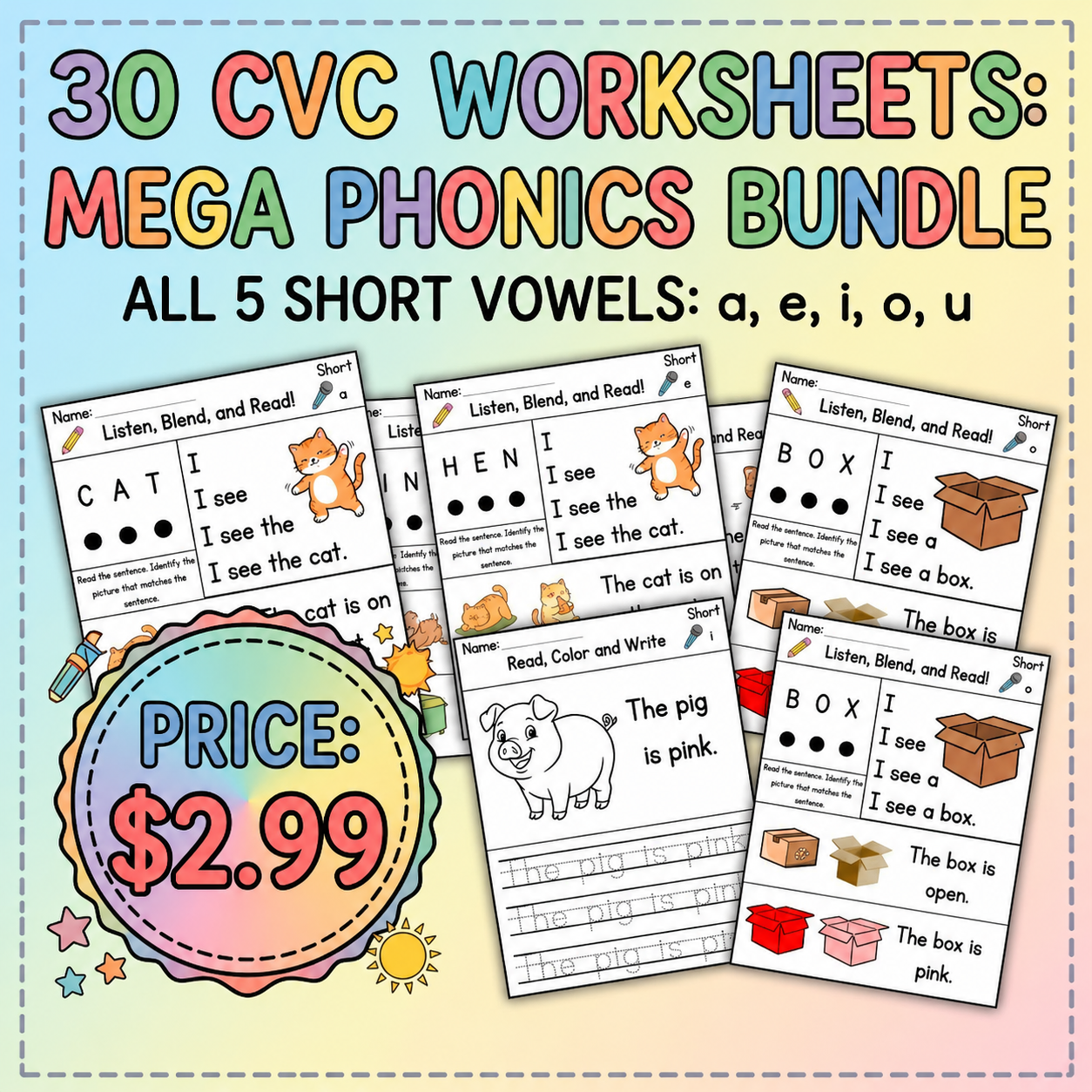
When it comes to free printables, the early years offer a remarkable window of opportunity. Research consistently shows that children who engage with these concepts during preschool build stronger foundations for all future learning. Whether you are a parent, teacher, or caregiver, the strategies in this guide will help you make the most of this critical developmental period.
Why Investing in Free printables Now Pays Off Later
The National Association for the Education of Young Children emphasizes that free printables instruction must be developmentally appropriate — matching the child's abilities while gently promoting growth. This is not about pushing children ahead of schedule. It is about providing experiences that let natural development flourish in the richest possible way.
Studies consistently find that children learning through multi-sensory, hands-on experiences retain information far longer than those learning passively. The young brain needs to touch, move, manipulate, and experiment to truly internalize new concepts.
- Active engagement produces stronger memories than passive observation
- Multi-sensory input creates redundant neural pathways, making learning more durable
- Emotional connection — Learning tied to positive feelings stores more effectively in long-term memory
- Social context — Learning with a caring adult enhances both motivation and retention
Getting Started: A Step-by-Step Approach
- Sensory exploration — Create a sensory activity focused on free printables. Let your child explore freely while you introduce key vocabulary through natural conversation.
- Sorting and matching — Provide collections of objects to sort by attributes related to free printables. Ask: "How did you decide where to put that one?"
- Art integration — Design projects incorporating educational resources. When children create something beautiful while learning, they form powerful positive associations with the material.
- Movement connection — Add physical movement to free printables activities. Jump, clap, or dance while practicing concepts. Movement cements learning in the brain remarkably well.
- Storytelling — Create stories where free printables knowledge is needed. Narrative context makes abstract concepts concrete and memorable.
Our themed activity bundles organize these activity types into weekly plans that take the guesswork out of teaching.
Pro Tips That Make a Real Difference
Follow these proven principles for the best outcomes:
- Follow your child's interests — Loves dinosaurs? Connect free printables to dinosaur themes. Interest is the most powerful motivator.
- Use quality materials — Well-designed worksheets save preparation time and provide expert-level learning scaffolding.
- Model enthusiasm — Children mirror adult emotions. Approach activities with genuine excitement and your child will too.
- Connect to real life — Show how free printables appears in the real world: at stores, in the car, at parks.
- Review regularly — Young brains need many exposures before concepts stick permanently. Revisit learned material often.
- Track progress — Keep a portfolio of your child's work. Seeing growth over time is incredibly motivating for children.
Developmental Guide by Age Group
Beginning Learners
Focus on sensory exploration and exposure. Let children handle materials, hear vocabulary, and watch you model. Never push for accuracy — make it fun and keep it brief.
Developing Learners
This is the sweet spot for structured learning. Combine hands-on play with printable activities for balanced, steady skill building. Children are eager and responsive to gentle guidance.
Advanced Learners
Ready for increased challenge and growing independence. Multi-step activities, self-directed practice periods, and pride in demonstrating abilities characterize this stage.
Bringing It All Together
The most effective approach to free printables combines hands-on play, quality printed materials, daily routines, and genuine enthusiasm. Every child learns at their own pace, and the goal is progress, not perfection. Celebrate small wins, stay consistent, and trust the process.
For more ideas, read our articles on 15 Fine Motor Skill Activities That Prepare Kids For Writing and The Ultimate Guide To Handwriting Practice For Preschoolers.
Start Your Child's Learning Adventure Today
Our printable worksheets for free printables are designed by early childhood educators and loved by thousands of families.
Looking for a structured way to practise this at home or in the classroom? Our Reading Comprehension Worksheets Bundle ($2.49) gives you everything you need in one ready-to-use printable pack.