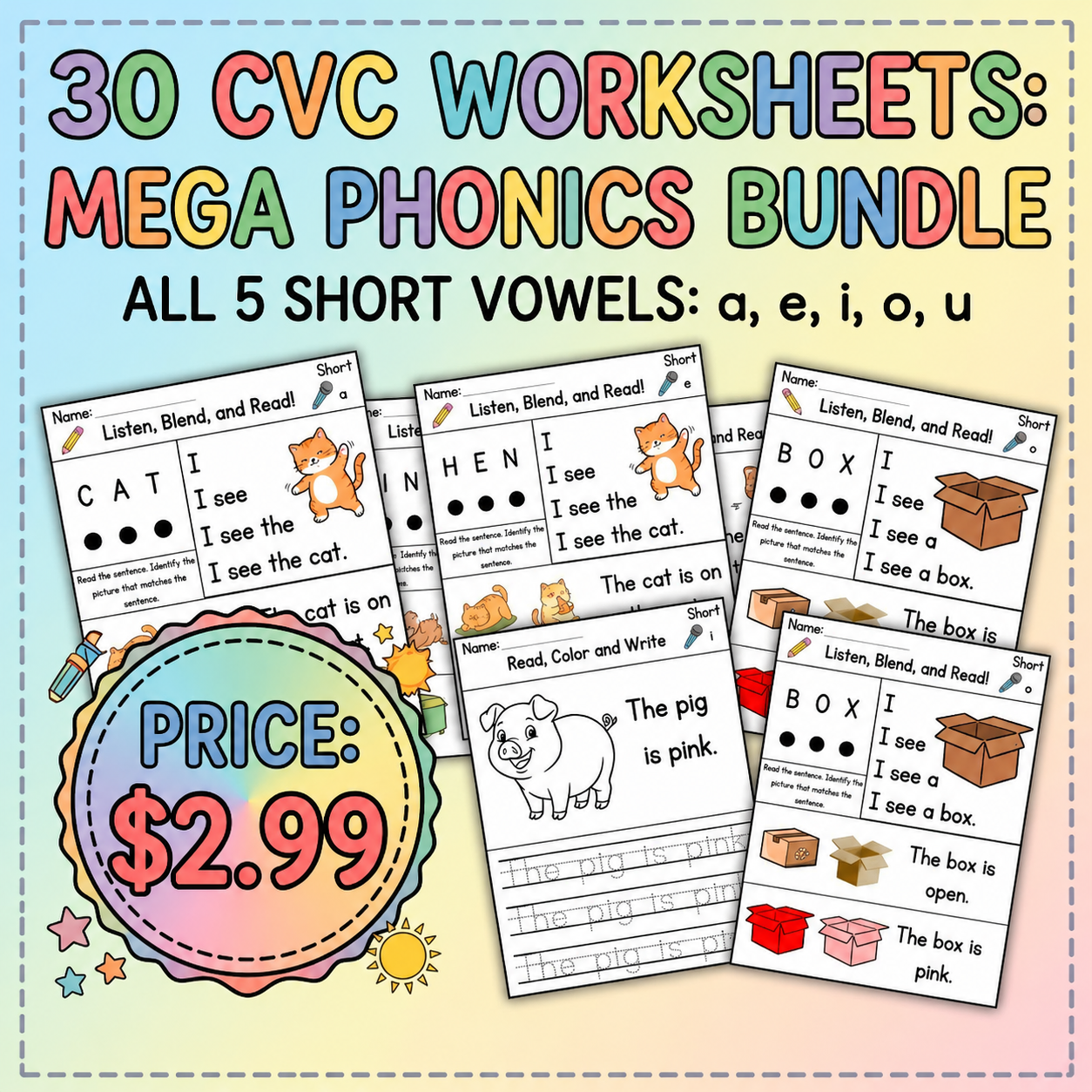
The journey of mastering reward charts begins long before formal schooling. The most impactful learning happens during everyday moments — at the kitchen table, in the backyard, during errands, and before bedtime. This guide helps you transform ordinary moments into extraordinary learning opportunities your child will love.
Understanding the Importance of Reward charts
Research in the Journal of Early Childhood Education demonstrates that quality instruction in reward charts during formative years leads to significantly better school readiness scores. Between ages 2 and 6, the brain is exceptionally receptive to new learning, making this the ideal time to introduce foundational concepts through playful activities.
- Builds neural pathways — Early exposure creates brain connections needed for complex learning later
- Develops confidence — Mastering challenges builds the self-belief that drives future achievement
- Creates positive associations — When learning feels like play, children develop lifelong love of education
- Prepares for school — Teachers report that early reward charts exposure leads to smoother school transitions
- Supports whole-child development — These activities build cognitive, physical, social, and emotional skills simultaneously
Getting Started: A Step-by-Step Approach
- Sensory exploration — Create a sensory activity focused on reward charts. Let your child explore freely while you introduce key vocabulary through natural conversation.
- Sorting and matching — Provide collections of objects to sort by attributes related to reward charts. Ask: "How did you decide where to put that one?"
- Art integration — Design projects incorporating motivation. When children create something beautiful while learning, they form powerful positive associations with the material.
- Movement connection — Add physical movement to reward charts activities. Jump, clap, or dance while practicing concepts. Movement cements learning in the brain remarkably well.
- Storytelling — Create stories where reward charts knowledge is needed. Narrative context makes abstract concepts concrete and memorable.
Our themed activity bundles organize these activity types into weekly plans that take the guesswork out of teaching.
Expert Tips for Maximum Learning Impact
Experienced educators recommend these best practices:
- Keep sessions short — 10-15 minutes of focused practice outperforms 30 minutes of distracted activity every time. Follow your child's attention span.
- Celebrate effort over results — "You worked so hard on that!" builds more motivation than "Good job!" Praise the process.
- Embrace mistakes — Respond with curiosity: "Interesting! What happens if we try it differently?" This builds resilience and problem-solving skills.
- Offer choices — "Blue worksheet or green worksheet?" Small choices give children ownership over their learning experience.
- Stop before frustration — End while your child still wants more. This ensures eagerness to return tomorrow.
- Be consistent — Short daily sessions produce dramatically better results than occasional marathon sessions. Build the habit.
Developmental Guide by Age Group
Toddlers (Ages 2-3)
Keep reward charts activities short, sensory-rich, and completely pressure-free. Expect exploration and curiosity rather than precision. Five minutes of genuine engagement is a successful session at this age. Focus on exposure and vocabulary.
Preschoolers (Ages 3-4)
Children this age can handle more structure and show genuine interest in skill mastery. This is the perfect time to introduce printable worksheets alongside hands-on play. Sessions can extend to 10-15 minutes with engaged learners.
Pre-K and Kindergarten (Ages 4-6)
These children are ready for increasing challenge and independence. They follow multi-step instructions, take pride in completed work, and can begin self-assessing. Our worksheets for this age include appropriately complex activities.
Bringing It All Together
The most effective approach to reward charts combines hands-on play, quality printed materials, daily routines, and genuine enthusiasm. Every child learns at their own pace, and the goal is progress, not perfection. Celebrate small wins, stay consistent, and trust the process.
For more ideas, read our articles on 15 Fine Motor Skill Activities That Prepare Kids For Writing and The Ultimate Guide To Handwriting Practice For Preschoolers.
Start Your Child's Learning Adventure Today
Our printable worksheets for reward charts are designed by early childhood educators and loved by thousands of families.
Looking for a structured way to practise this at home or in the classroom? Our Reading Comprehension Worksheets Bundle ($2.49) gives you everything you need in one ready-to-use printable pack.