If you have been looking for practical ways to support your child's development in the area of differentiation, you are in the right place. This guide breaks down research-backed strategies and hands-on activities that you can start using immediately, whether you are a parent, teacher, or caregiver.
Understanding the Range of Abilities in Your Class
One common question parents bring to teachers is how to handle differentiation with their young learners.
Making activities game-like through friendly competition or timed challenges can boost motivation significantly.
Creating a supportive, low-pressure environment is the single most important factor in your child's success.
Tiered Activities for Math and Literacy
The connection between flexible grouping and later academic achievement is well-documented in educational literature.
Involving children in preparing and tidying up their learning space builds independence alongside the academic skills you are targeting.
For more on this topic, read our related article Why Letter Tracing Worksheets Are Still Effective In 2026 Tips And Strategies.
Flexible Grouping That Actually Works
Understanding the fundamentals of differentiation gives you practical tools to support your child's development in specific, useful ways.
Documenting progress through photos, work samples, or simple checklists helps both parents and teachers track growth over time.
The long-term benefits of investing time in these foundational skills cannot be overstated.
For more on this topic, read our related article The Montessori Approach To Teaching Letters.
Choice Boards for Independent Work Time
Getting started with flexible grouping does not require expensive materials or specialized training.
When children feel safe to make mistakes, they become more willing to take the risks necessary for genuine learning.
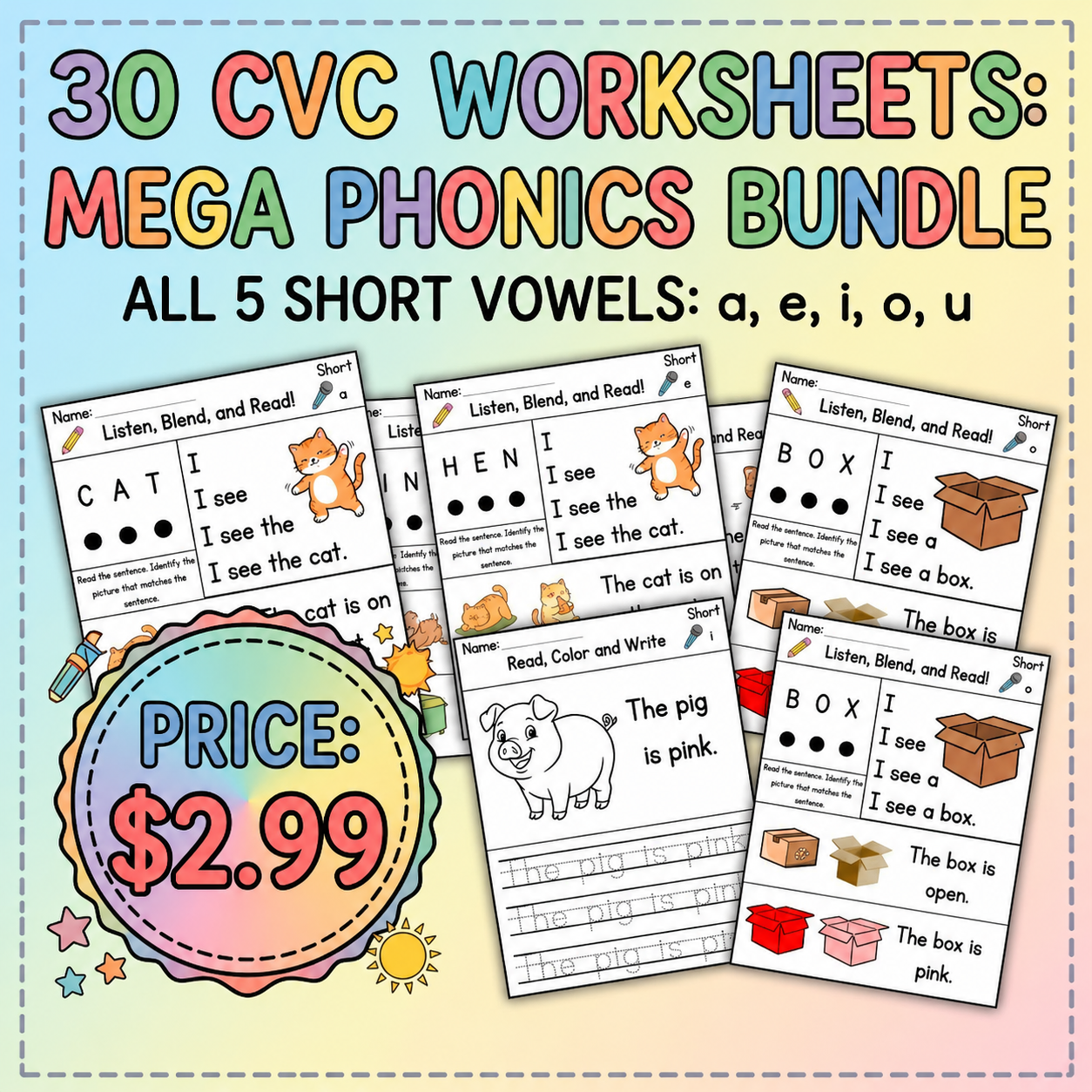
Looking for ready-to-use resources? Our 30 CVC Phonics Worksheets: Read, Trace & Color ($2.99) gives you professionally designed materials that save hours of preparation time.
Using Technology for Differentiation
Getting started with differentiation does not require expensive materials or specialized training.
Incorporating movement and sensory experiences into lessons dramatically increases retention and engagement.
Assessment-Driven Instruction Planning
The evidence base for flexible grouping is strong, and results in the classroom reflect that.
Routine removes the uncertainty that causes avoidance. A child who knows exactly what practice looks like will resist it far less.
Frequently Asked Questions
Should I correct my child when they make mistakes during differentiation?
Gentle guidance is better than correction. Model the correct approach, praise what they did well, and provide scaffolding for the parts they found challenging. Creating a safe environment for mistakes encourages persistence.
What is the best age to start mixed abilities?
Most child development experts recommend introducing mixed abilities around age three to four, though some children may be ready earlier. The key is to follow your child's cues and ensure activities are age-appropriate and enjoyable.
How long should practice sessions be for tiered activities?
For children aged three to six, keep practice sessions to ten or fifteen minutes. Short, focused sessions are more effective than longer ones, and you can always do multiple sessions throughout the day.
Start Your Child's Learning Journey Today
Every moment you invest in your child's early education pays dividends for years to come. Whether you are looking for structured worksheets or creative activity ideas, we have resources designed specifically for young learners. Browse our worksheet collections or visit our resource library to find the perfect materials for your child's needs. Start today and watch your little learner grow with confidence.