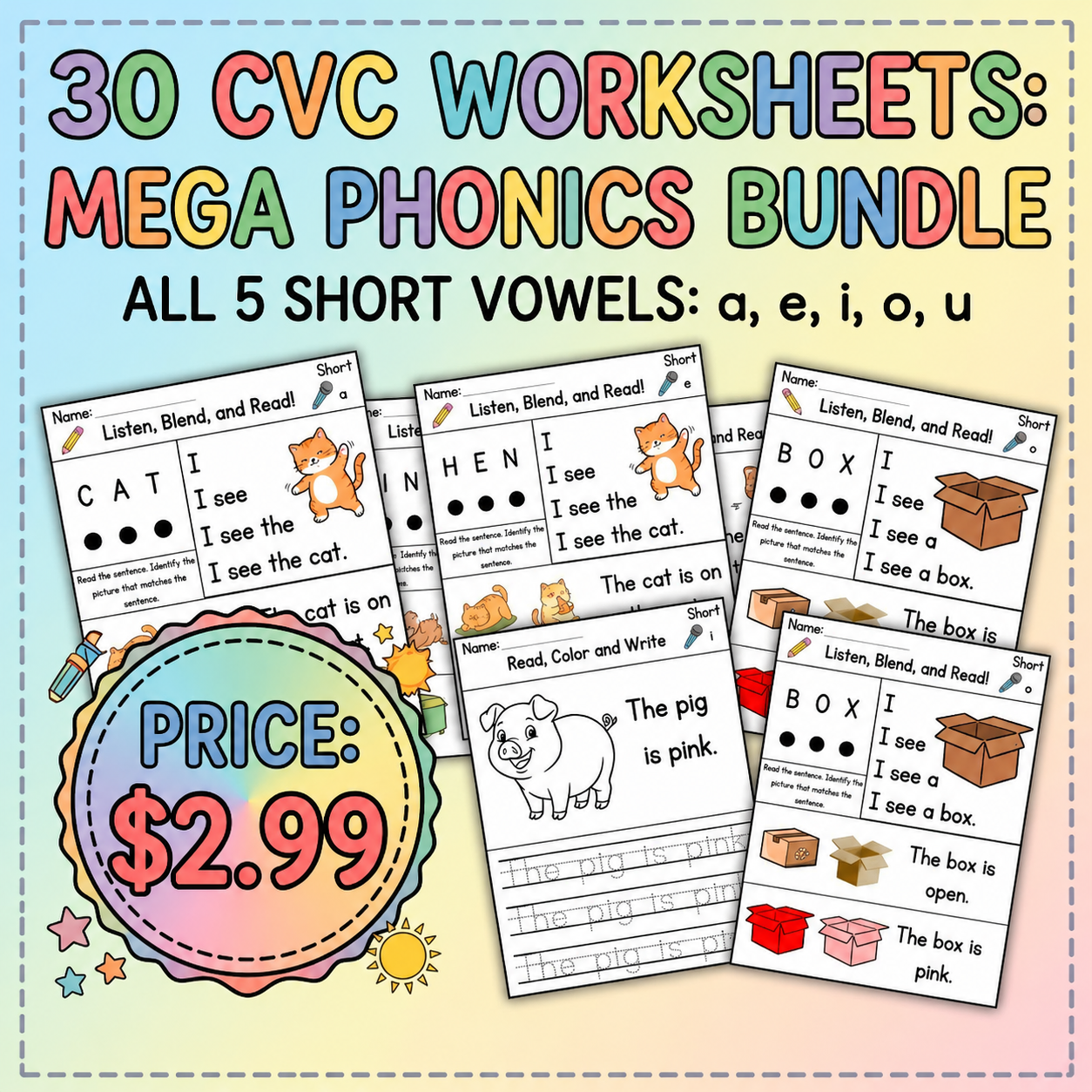
By the end of kindergarten, children should identify all 26 letter names and their corresponding sounds automatically — without counting, hesitating or needing hints. For most children, this automaticity requires deliberate review alongside initial instruction, particularly for letters introduced earlier in the year that have had less recent practice. End-of-year review games provide that practice in a format that feels celebratory rather than remedial.
Why Automaticity Matters More Than Accuracy
A child who can identify every letter correctly but takes two seconds per letter has not reached the automaticity that supports fluent reading. Reading requires letter recognition to happen in milliseconds — any slower and the reading process breaks down into a laborious letter-by-letter exercise that exhausts working memory before meaning can be built.
End-of-year review is therefore about increasing the speed and confidence of knowledge that may already be accurate but is not yet automatic. Also read: Letter Sounds Before Letter Names: Why the Sequence Matters for how the order of instruction affects fluency development.
Five Games That Build Letter Automaticity
Letter Snap uses a standard deck of alphabet cards. Two children each flip a card simultaneously — the first to call the letter sound (not the name) wins both cards. The competitive element and time pressure naturally build speed. Alphabet Bingo is endlessly adaptable: call letter sounds rather than names, or call words beginning with each sound, for productive variation.
Flying Letters involves throwing a soft ball while calling a letter sound — the catcher must say a word beginning with that sound before throwing to the next person. Magnetic letter speed sorts (sort all 26 letters by vowels/consonants as fast as possible) gamify classification. And Letter of the Day scavenger hunts — finding five objects beginning with a given sound — combine physical movement with applied phonics. Also read: Digraph Sounds Made Simple: Teaching TH, SH, CH, WH and More for extending alphabet review into digraph territory.
Making Review Feel Like Reward
Frame end-of-year alphabet review as a celebration of knowledge gained rather than a check for deficits. "Let us show how much you know" generates a very different response than "let us see what you have forgotten." Allow children to choose which game they want to play and which letters to focus on. Ownership of the review process increases engagement significantly.
Frequently Asked Questions
Should I review letter names or letter sounds at end of year?
Both, but prioritise sounds. Letter names are useful for spelling; letter sounds are required for reading and writing. If time is limited, sounds take priority.
What should I do if I discover significant gaps in late May?
Note the specific letters and keep a short daily practice routine going through summer — five minutes per day on problematic letters prevents regression. Focus on the six to eight highest-frequency letters first.
Are digital alphabet games as effective as physical ones?
High-quality digital games can be effective for recognition practice. They are generally less effective for sound production (speaking aloud) and physical manipulation of letter shapes. A mix is ideal.
Finish the Year on a High
Every letter a child can identify automatically by June is a letter they do not have to relearn in September. A few weeks of engaging review now pays significant dividends at the start of first grade — and leaves children feeling genuinely accomplished about what they have learned.