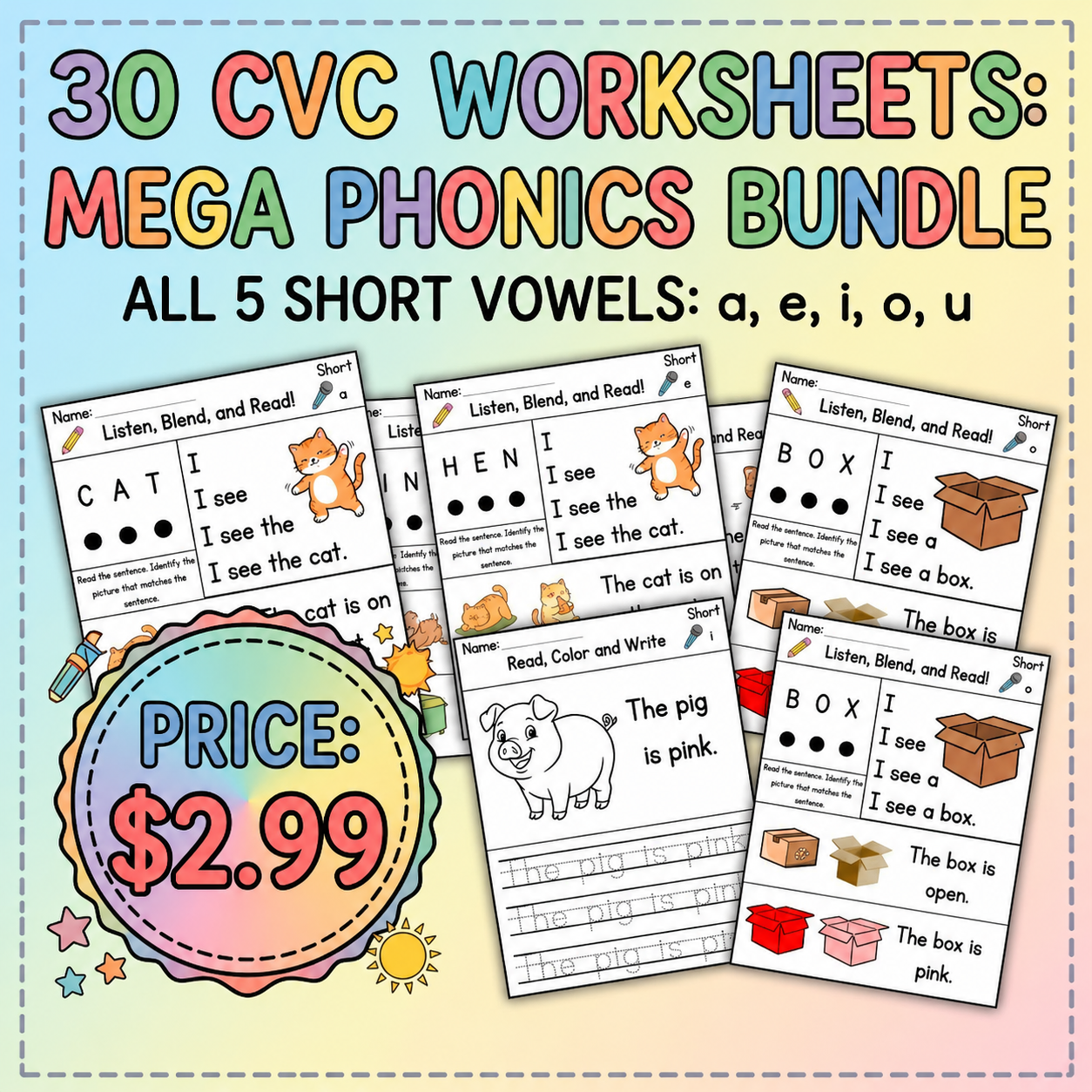
If you're looking for practical ways to support your child's learning journey, you're in the right place. In this guide, we'll explore everything you need to know about counting worksheets and how to apply these ideas at home or in the classroom.
Creating Consistency Without Burnout
The secret to effective early education isn't marathon study sessions — it's consistent, brief daily practice. Even 10 minutes of focused work each day adds up to over 60 hours of practice per year.
Build learning into your existing routine. Worksheet time after breakfast, flashcard review before bed, or letter identification during grocery shopping — these small moments compound into significant learning gains.
Making It Fun: Practical Ideas
Turn learning into a game whenever possible. Use timers for friendly challenges ("Can you trace all the letters before the timer goes off?"), offer sticker rewards for completed worksheets, or create a simple chart to track achievements.
Involve your child in choosing activities. When children have a say in what they work on, they're more engaged and more likely to persevere through challenging tasks.
Looking for ready-made resources? The Kindergarten Addition and Subtraction Worksheets is packed with activities that reinforce exactly these skills. Grab it for just $1.99 — instant download, print as many times as you need.
How to Measure Progress
Track your child's development by keeping a simple portfolio of their work over time. Looking back at worksheets from a few weeks or months ago can reveal dramatic improvement that daily observation might miss.
Focus on effort and progress, not perfection. A child who traces wobbly letters today but smoother ones next week is making excellent progress, even if the letters aren't perfect yet.
Need something quick? Our free Math Practice Generator lets you create and print personalized worksheets in seconds.
Patterns and Early Algebra
Pattern recognition is one of the most important early math skills. Children who can identify, extend, and create patterns develop the logical thinking that underlies all mathematical reasoning.
Start with simple AB patterns (red-blue-red-blue), then progress to ABB, ABC, and more complex sequences. Pattern worksheets, beading activities, and block building all reinforce this skill.
For a hands-on approach, use our free Number Tracing Tool to generate custom activities your child will love.
Frequently Asked Questions
How do I make math less intimidating for my child?
Use real-world contexts (counting snacks, measuring ingredients), keep practice sessions short and positive, and avoid expressing your own math anxiety. Games and hands-on activities make math feel less like work.
Should kindergarteners use worksheets for math?
Yes, when combined with hands-on activities. Worksheets help bridge the gap between concrete understanding and abstract number work. The key is balance — not worksheets alone, but as part of a varied approach.
What's the best way to motivate a reluctant learner?
Offer choices (let them pick which worksheet to do), use a reward system (stickers, stamps), keep sessions short, and always end on a positive note. Making learning feel like play rather than work is the most effective motivator.
You Might Also Enjoy
- Back-to-School Worksheets to Start Grade 1 Off Right
- How to Make Math Less Scary for Young Learners — Printable Resources
- Math Fluency: 10 Daily Practice Ideas for Grade 1
- Number Tracing: Why It Matters for Math Development — Printable Resources
Start Your Child's Learning Journey Today
Every great reader, writer, and problem-solver started with the basics. The activities and strategies we've discussed today are your roadmap to building a strong educational foundation.
Browse our complete collection of printable worksheets and find the perfect resources for your child's learning level. With instant digital downloads starting under $2, there's no reason to wait.