Understanding opinion writing is one of the most valuable investments you can make in your child's early education. In this comprehensive guide, we will explore proven strategies, share actionable tips, and point you toward resources that make a real difference.
What Opinion Writing Looks Like in Kindergarten
One of the most important aspects of prompts is understanding how it fits into the bigger picture.
When children know what to expect from their practice sessions, they approach them with more confidence and less resistance.
You might also enjoy our guide on 25 Tips For Teaching Blending To Beginning Readers Printable Resources, which covers complementary strategies.
Providing Reasons for Opinions
The connection between opinion writing and later academic achievement is well-documented in educational literature.
The preparation and cleanup stages of an activity are learning opportunities in their own right, not just logistics to manage.
You might also enjoy our guide on Positive Behavior Strategies For The Early Childhood Classroom Teacher Approved Methods, which covers complementary strategies.
Using Because to Connect Ideas
The journey toward mastering prompts begins with small, manageable steps.
Technology can extend learning, but the tactile experience of working with physical materials is what builds the deepest understanding at this age.
Opinion Writing Prompts That Spark Engagement
The journey toward mastering opinion writing begins with small, manageable steps.
When children feel safe to make mistakes, they become more willing to take the risks necessary for genuine learning.
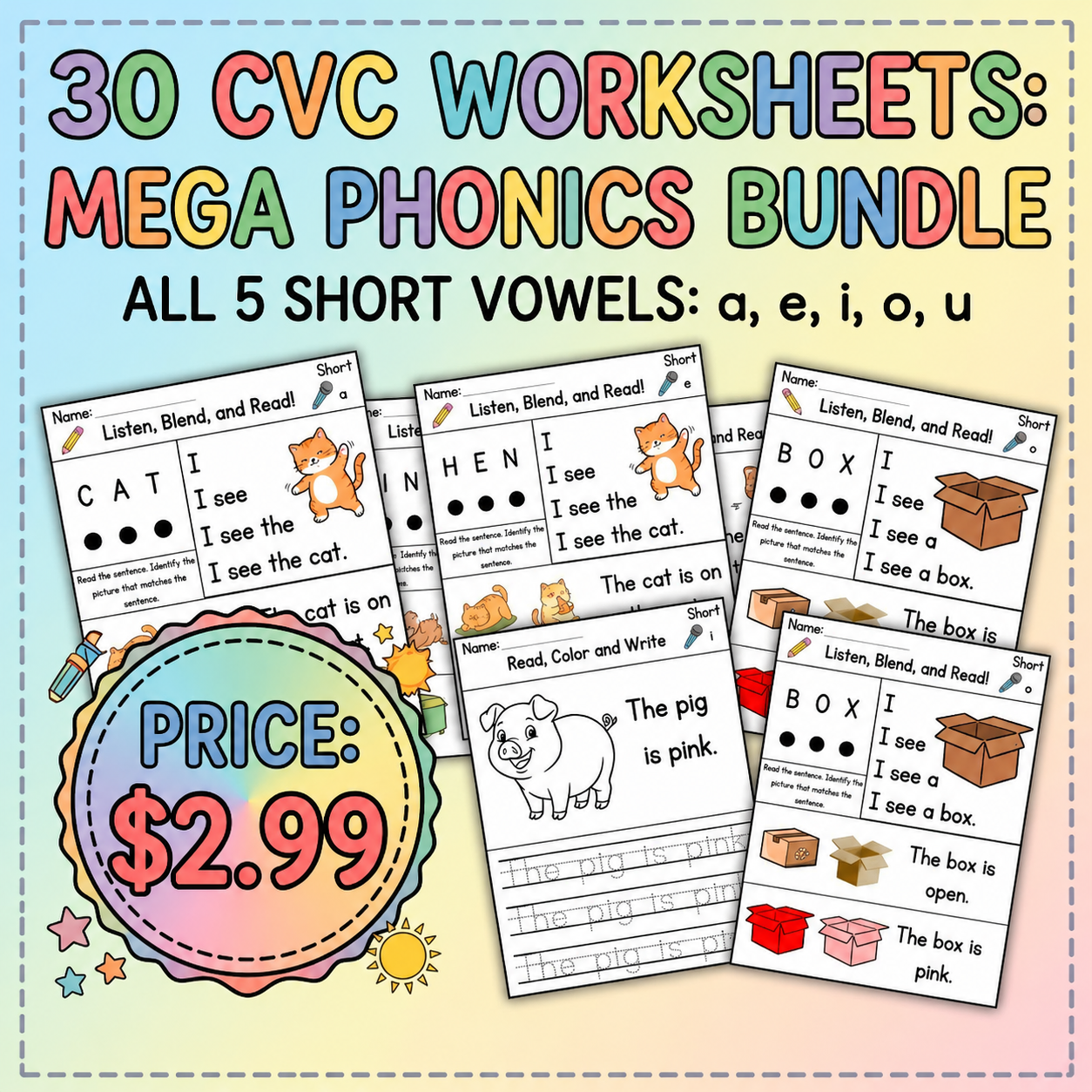
Want to put these ideas into practice right away? Check out our Phonics Mastery Bundle ($4.99) for printable activities aligned with these strategies.
Shared Opinion Writing Activities
Whether at home or in the classroom, prompts can be woven naturally into daily routines.
Using hands-on materials and real-world examples helps children make meaningful connections to abstract concepts.
Connecting these concepts to your child's favorite topics and characters increases engagement exponentially.
You might also enjoy our guide on The Montessori Approach To Teaching Letters, which covers complementary strategies.
Reading Opinion Mentor Texts
For children between ages three and six, opinion writing represents a significant developmental milestone.
When children know what to expect from their practice sessions, they approach them with more confidence and less resistance.
You might also enjoy our guide on Decodable Readers Vs Leveled Readers Which Is Better Step By Step, which covers complementary strategies.
Frequently Asked Questions
How long should practice sessions be for opinion writing?
For children aged three to six, limit practice sessions to five to fifteen minutes. Short, focused sessions are more effective than longer ones, and you can always do multiple sessions throughout the day.
Do I need special materials for because?
While specialized materials can enhance the experience, many effective because activities can be done with everyday household items. Start with what you have and add specialized resources as needed.
How do I know if my child is making progress with reasons?
Look for small improvements over time rather than dramatic leaps. Keep a simple log of milestones, take photos of work samples, and note when your child demonstrates skills independently that previously required help.
What if my child resists prompts activities?
Resistance is normal and often temporary. Try changing the approach, incorporating your child's interests, or taking a break and returning later. If resistance persists, consult with your child's teacher or pediatrician.
Start Your Child's Learning Journey Today
The best time to start is now. Your child's brain is primed for learning, and the right resources can make all the difference. Explore our complete collection of printable worksheets designed by experienced educators. From phonics to math to fine motor skills, we have everything you need to support your child's development at home or in the classroom.