Every child deserves a strong start, and lining up is a critical piece of that foundation. Whether you are new to this topic or looking to deepen your existing knowledge, this article will give you the tools and confidence to help your young learner thrive.
Teaching Line Procedures Step by Step
Getting started with lining up does not require expensive materials or specialized training.
Documenting progress through photos, work samples, or simple checklists helps both parents and teachers track growth over time.
We explore related ideas in Preventing Power Struggles With Four And Five Year Olds Hands On Activities, which pairs well with this article.
Line Leaders and Caboose Jobs
The journey toward mastering walking songs begins with small, manageable steps.
Children at this stage are naturally curious, and channeling that curiosity into structured activities makes learning feel effortless.
Above all, make sure that learning remains a joyful experience for both you and your child.
Quiet Walking Games and Songs
For children between ages three and six, lining up represents a significant developmental milestone.
Incorporating movement and sensory experiences into lessons dramatically increases retention and engagement.
Parents who model enthusiasm for learning create an environment where children naturally want to participate.
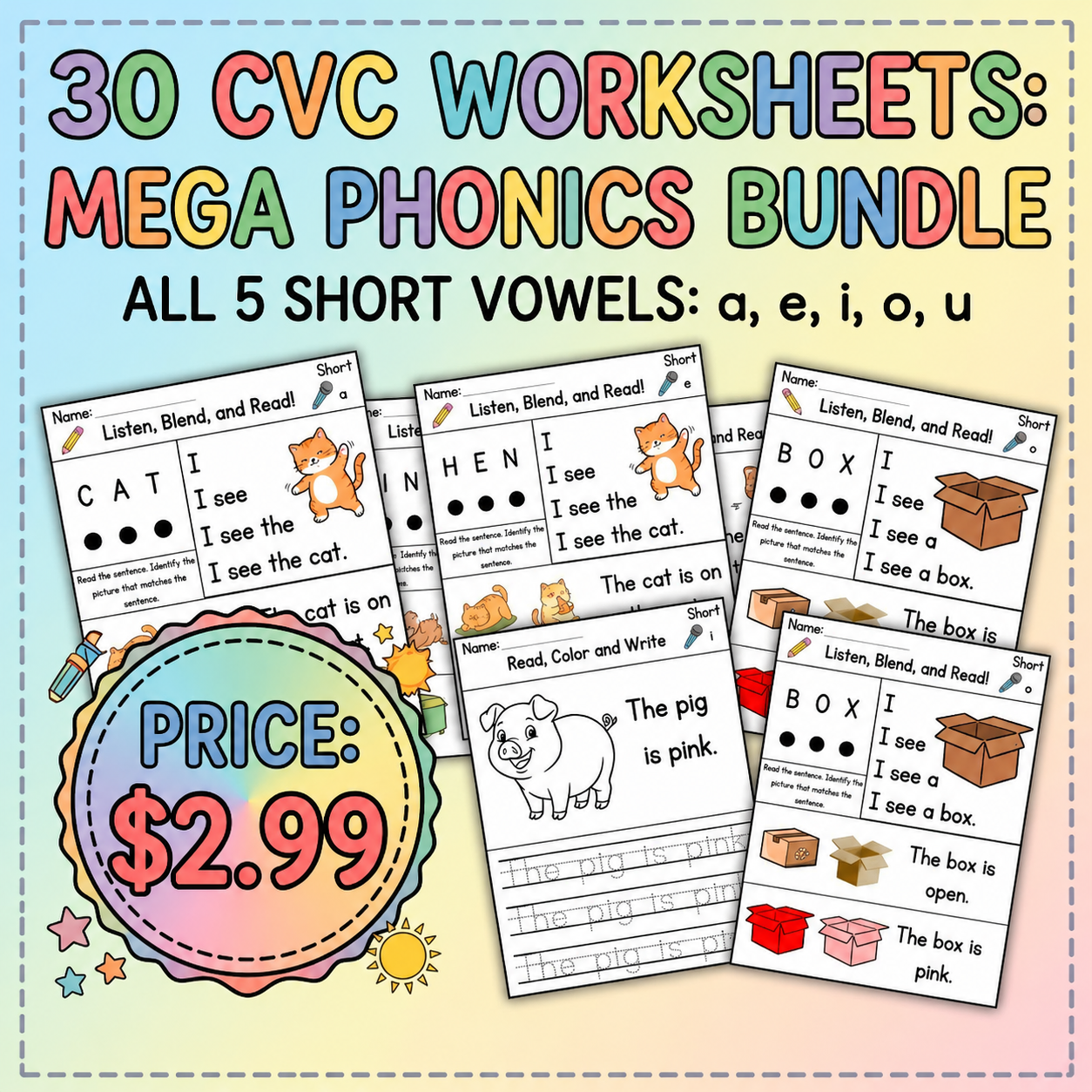
For a structured approach to this topic, try our 30 CVC Phonics Worksheets: Read, Trace & Color ($2.99). It includes everything you need to get started immediately.
Managing Different Speed Walkers
Getting started with walking songs does not require expensive materials or specialized training.
The trick is to find the sweet spot between challenging enough to promote growth and easy enough to maintain confidence.
With patience and consistent practice, most children show significant improvement within a few weeks.
What to Do When Line Behavior Falls Apart
Teachers who specialize in early childhood education recommend lining up as a foundational skill.
Collaboration between parents and teachers ensures that children receive consistent support across environments.
Remember that the goal is not perfection but progress, and celebrating small wins keeps motivation high.
Making Hallway Walks a Learning Opportunity
Studies from leading universities suggest that walking songs has lasting benefits for academic success.
Your child's natural responses to different activities are the best guide to what teaching approach will work best for them.
The long-term benefits of investing time in these foundational skills cannot be overstated.
We explore related ideas in Fluency Practice Techniques For Beginning Readers Tips And Strategies, which pairs well with this article.
Frequently Asked Questions
How do I know if my child is making progress with lining up?
Look for small improvements over time rather than dramatic leaps. Keep a simple log of milestones, take photos of work samples, and note when your child demonstrates skills independently that previously required help.
What if my child resists hallway behavior activities?
Resistance is normal and often temporary. Try changing the approach, incorporating your child's interests, or taking a break and returning later. If resistance persists, consult with your child's teacher or pediatrician.
Can line leaders be practiced during everyday activities?
Absolutely. Some of the best learning happens naturally during daily routines like cooking, shopping, bath time, and car rides. Look for organic opportunities to weave line leaders into your existing schedule.
How does walking songs connect to kindergarten readiness?
Proficiency in walking songs is considered an important indicator of kindergarten readiness. Children who have a strong foundation in this area typically transition more smoothly into formal schooling.
Start Your Child's Learning Journey Today
You do not need to be an expert to give your child an incredible start. With the right tools and a little daily practice, remarkable progress is within reach. Visit our curated worksheet library or grab our free sample pack to see the quality of our materials firsthand. Your child's learning adventure starts with a single step.