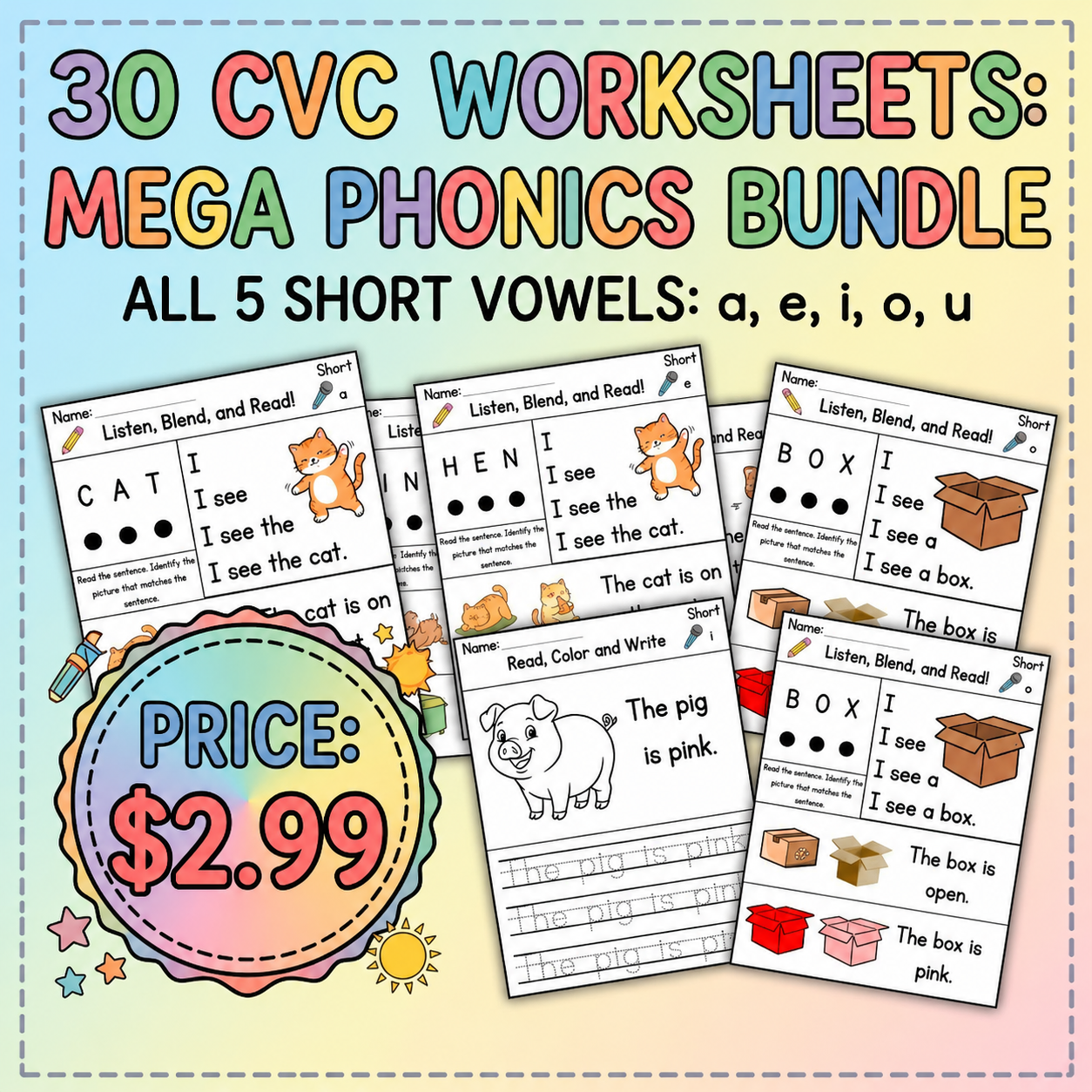
Early childhood education lays the groundwork for a lifetime of learning. Whether you're a parent, teacher, or homeschooler, mastering inventive spelling will make a meaningful difference in your child's development.
Setting Realistic Expectations
Every child develops at their own pace. Some children will pick up reading at age 4, while others won't be ready until 6 or 7 — and both timelines are perfectly normal.
Focus on progress, not comparison. The child who needs more practice isn't behind — they're building a deeper foundation that will serve them well in the long run.
Creating Consistency Without Burnout
The secret to effective early education isn't marathon study sessions — it's consistent, brief daily practice. Even 10 minutes of focused work each day adds up to over 60 hours of practice per year.
Build learning into your existing routine. Worksheet time after breakfast, flashcard review before bed, or letter identification during grocery shopping — these small moments compound into significant learning gains.
Save yourself hours of prep time. The Digraph Sounds Worksheets PH, WH, TH, SH, CH, CK includes everything you need, professionally designed and classroom-tested. Only $2.99.
Making It Fun: Practical Ideas
Turn learning into a game whenever possible. Use timers for friendly challenges ("Can you trace all the letters before the timer goes off?"), offer sticker rewards for completed worksheets, or create a simple chart to track achievements.
Involve your child in choosing activities. When children have a say in what they work on, they're more engaged and more likely to persevere through challenging tasks.
Quick tip: Try our free Spelling Test Template to create custom practice sheets tailored to your child's needs — no signup required.
Making Writing Meaningful
Children write more willingly when they have something meaningful to say. Drawing and writing activities, journal prompts, and letter writing to family members all give purpose to the physical act of writing.
Celebrate all writing attempts, even early scribbles and inventive spelling. The confidence to put ideas on paper is just as important as the mechanical skill of forming letters correctly.
Quick tip: Try our free Word Tracing Generator to create custom practice sheets tailored to your child's needs — no signup required.
Ready to put these ideas into practice? Our Master the Sounds: Beginning Blends Matching & Coloring Activity Pack gives your child structured, engaging worksheets designed by educators. Starting at just $1.49.
Want to try before you buy? Download our free worksheet samples and see the quality for yourself.
Frequently Asked Questions
Can I use the same worksheets multiple times?
Absolutely! Print-and-use PDF worksheets can be printed as many times as needed. Repetition is actually beneficial — children build mastery through repeated practice with familiar materials.
How much time should young children spend on worksheets each day?
For children ages 3-6, 10-20 minutes of focused worksheet time is ideal. Keep sessions short and positive, and always stop before frustration sets in. Consistency matters more than duration.
What's the best way to motivate a reluctant learner?
Offer choices (let them pick which worksheet to do), use a reward system (stickers, stamps), keep sessions short, and always end on a positive note. Making learning feel like play rather than work is the most effective motivator.
You Might Also Enjoy
- Sentence Building Activities for Preschool: Start Simple
- Sentence Building Activities for Early Elementary: Start Simple — Updated For 2025
- Homeschool Curriculum on a Budget: Printable Resources
- Printable Word Searches for Early Readers — Best Practices
Ready to See Real Progress?
Consistent practice with quality materials makes all the difference. Our worksheets are designed to be engaging, effective, and easy to use — so you can spend less time preparing and more time teaching.
Shop all worksheets or try our free samples to get started.