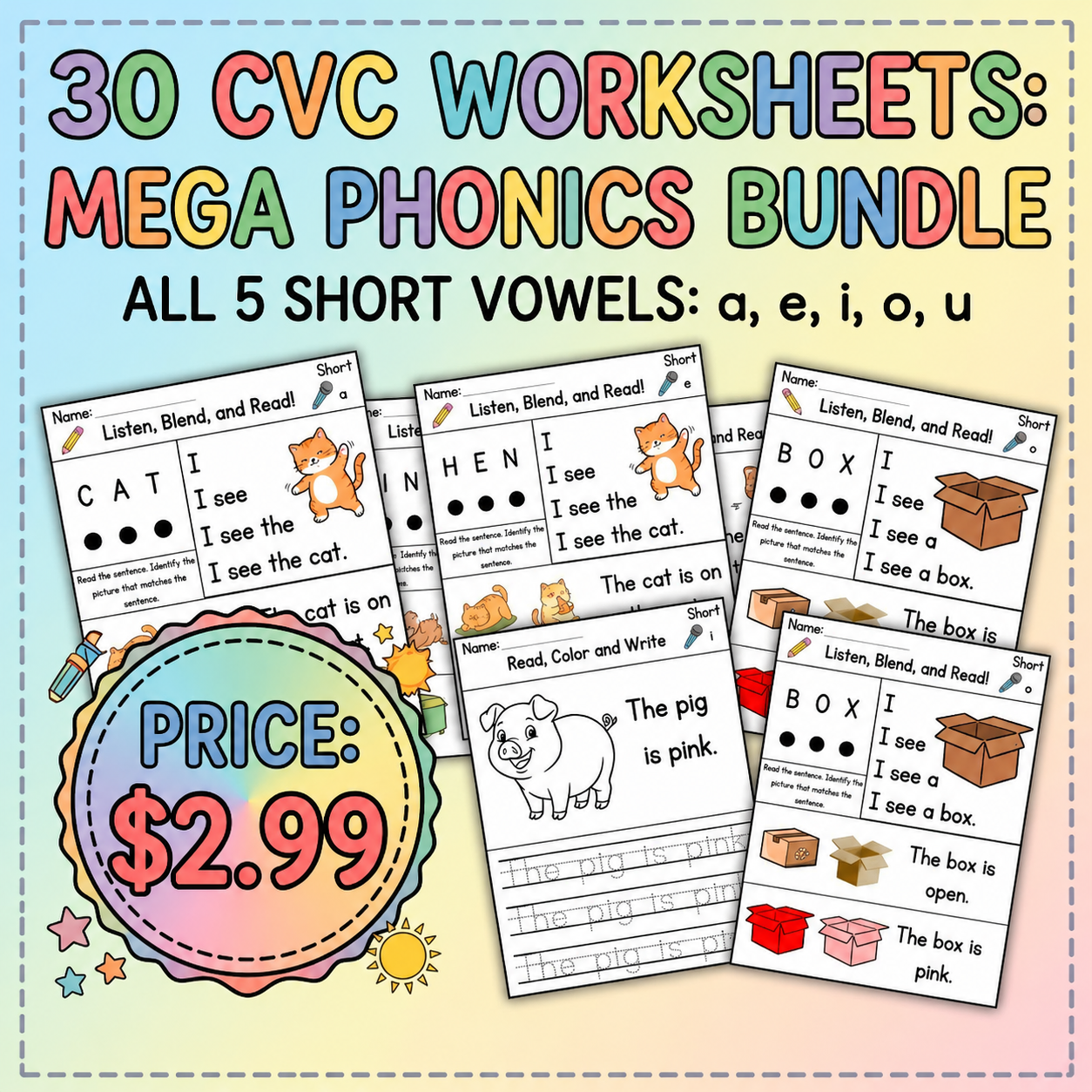
One of the most common questions we hear from parents is about growth mindset activities. In this comprehensive guide, we'll address the key concepts, share proven strategies, and point you to resources that actually work.
Making It Fun: Practical Ideas
Turn learning into a game whenever possible. Use timers for friendly challenges ("Can you trace all the letters before the timer goes off?"), offer sticker rewards for completed worksheets, or create a simple chart to track achievements.
Involve your child in choosing activities. When children have a say in what they work on, they're more engaged and more likely to persevere through challenging tasks.
Putting Theory into Practice
Understanding concepts is important, but the real learning happens when children apply what they know through hands-on practice. Worksheets, activities, and real-world applications all help cement new skills.
Aim for a balance of guided practice (where you work alongside your child) and independent practice (where they work alone). Both are essential for building competence and confidence.
Ready to put these ideas into practice? Our Cut and Paste Sentence Building Pack gives your child structured, engaging worksheets designed by educators. Starting at just $1.49.
Common Mistakes to Avoid
One of the biggest mistakes parents and teachers make is moving too quickly. Mastery takes time, and children need repeated exposure to concepts before they truly internalize them. If a child hasn't mastered a skill, repeating the practice is not failure — it's smart teaching.
Another common pitfall is relying on a single type of activity. Children learn best through variety: tracing one day, cutting and pasting the next, oral practice after that. Mix up your approach to keep things fresh.
Quick tip: Try our free Handwriting Practice Paper Generator to create custom practice sheets tailored to your child's needs — no signup required.
Setting Realistic Expectations
Every child develops at their own pace. Some children will pick up reading at age 4, while others won't be ready until 6 or 7 — and both timelines are perfectly normal.
Focus on progress, not comparison. The child who needs more practice isn't behind — they're building a deeper foundation that will serve them well in the long run.
Ready to put these ideas into practice? Our Imaginative Writing Prompts for Kids Draw & Write Pack gives your child structured, engaging worksheets designed by educators. Starting at just $1.99.
Frequently Asked Questions
Are printable worksheets effective for early learning?
Yes, when used as part of a balanced approach that includes hands-on activities, play, and real-world experiences. Worksheets provide structured practice that reinforces skills taught through other methods.
How do I know which worksheets are right for my child's level?
Choose worksheets where your child can complete about 80% independently. If everything is too easy, move to more challenging material. If they struggle with more than half, step back to an easier level.
What's the best way to motivate a reluctant learner?
Offer choices (let them pick which worksheet to do), use a reward system (stickers, stamps), keep sessions short, and always end on a positive note. Making learning feel like play rather than work is the most effective motivator.
How much time should young children spend on worksheets each day?
For children ages 3-6, 10-20 minutes of focused worksheet time is ideal. Keep sessions short and positive, and always stop before frustration sets in. Consistency matters more than duration.
Can I use the same worksheets multiple times?
Absolutely! Print-and-use PDF worksheets can be printed as many times as needed. Repetition is actually beneficial — children build mastery through repeated practice with familiar materials.
You Might Also Enjoy
- Mindfulness Activities for Pre-K Students — Complete Guide
- From Scribbles to Letters: A Timeline for Little Learners — Printable Resources
Take the Next Step
The best time to start is now. Whether you print one worksheet today or build a complete learning routine, every small step counts toward your child's success.
Explore our full range of educational printables — designed by teachers, loved by kids, and trusted by parents worldwide.