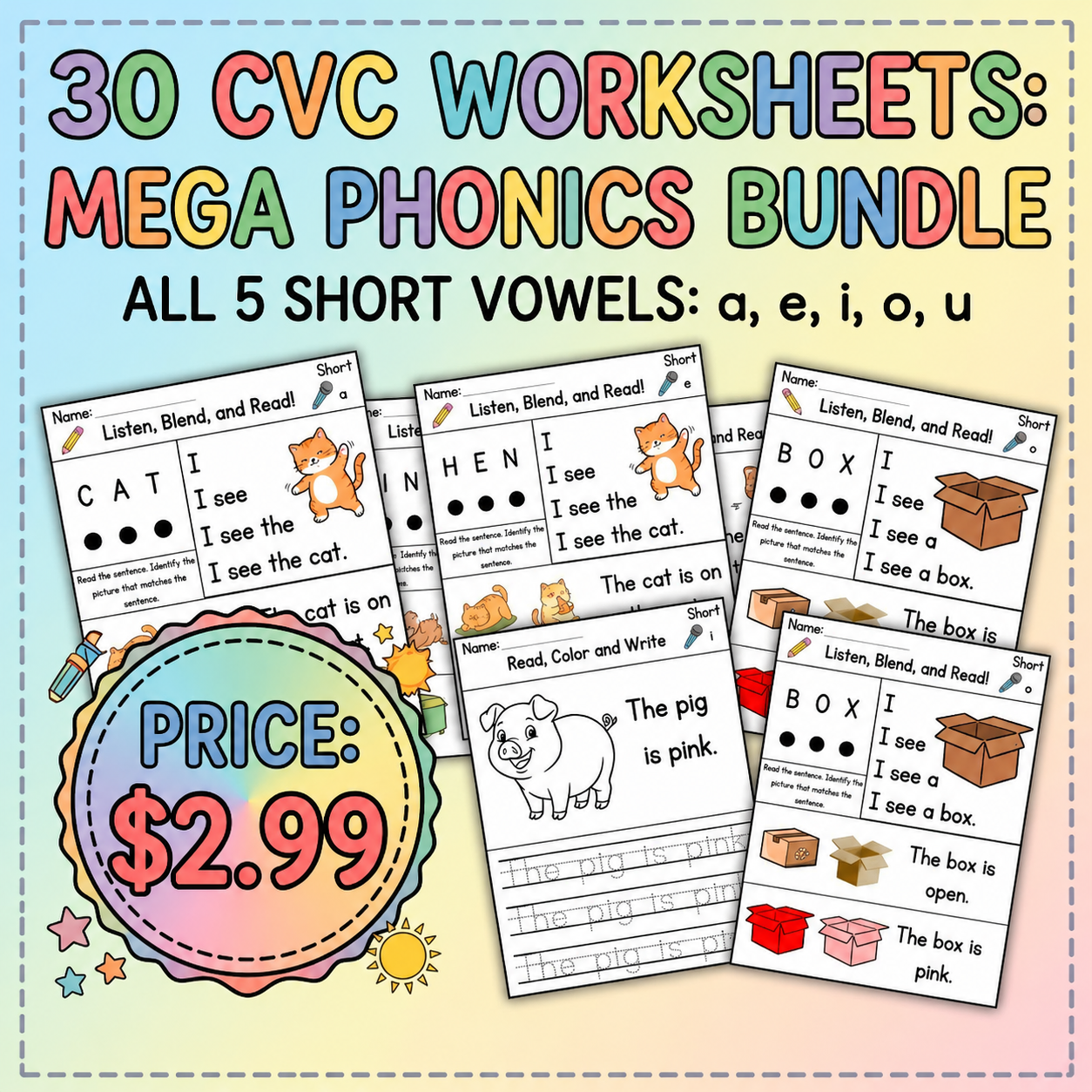
One of the most common questions we hear from parents is about counting sorting science. In this comprehensive guide, we'll address the key concepts, share proven strategies, and point you to resources that actually work.
What the Research Says
Studies from the National Institute for Early Education Research confirm that children who engage in regular, structured learning activities show measurable improvements in literacy and numeracy by the time they enter first grade.
The most effective approaches combine explicit instruction with playful practice. This means short, focused teaching moments followed by hands-on activities where children apply what they've learned.
Common Mistakes to Avoid
One of the biggest mistakes parents and teachers make is moving too quickly. Mastery takes time, and children need repeated exposure to concepts before they truly internalize them. If a child hasn't mastered a skill, repeating the practice is not failure — it's smart teaching.
Another common pitfall is relying on a single type of activity. Children learn best through variety: tracing one day, cutting and pasting the next, oral practice after that. Mix up your approach to keep things fresh.
Looking for ready-made resources? The Kindergarten Addition and Subtraction Worksheets is packed with activities that reinforce exactly these skills. Grab it for just $1.99 — instant download, print as many times as you need.
Building Independence
The ultimate goal of early education is to build independent learners. Start by modeling the activity, then do it together, then let your child try with minimal help, and finally step back completely.
This gradual release of responsibility — often called "I do, we do, you do" — is one of the most effective teaching frameworks for young children.
Quick tip: Try our free Counting Worksheet Generator to create custom practice sheets tailored to your child's needs — no signup required.
Creating Consistency Without Burnout
The secret to effective early education isn't marathon study sessions — it's consistent, brief daily practice. Even 10 minutes of focused work each day adds up to over 60 hours of practice per year.
Build learning into your existing routine. Worksheet time after breakfast, flashcard review before bed, or letter identification during grocery shopping — these small moments compound into significant learning gains.
Quick tip: Try our free Counting Worksheet Generator to create custom practice sheets tailored to your child's needs — no signup required.
Want to try before you buy? Download our free worksheet samples and see the quality for yourself.
Browse our full collection of Preschool Worksheets for more resources like these.
Frequently Asked Questions
How much time should young children spend on worksheets each day?
For children ages 3-6, 10-20 minutes of focused worksheet time is ideal. Keep sessions short and positive, and always stop before frustration sets in. Consistency matters more than duration.
Are printable worksheets effective for early learning?
Yes, when used as part of a balanced approach that includes hands-on activities, play, and real-world experiences. Worksheets provide structured practice that reinforces skills taught through other methods.
How do I know which worksheets are right for my child's level?
Choose worksheets where your child can complete about 80% independently. If everything is too easy, move to more challenging material. If they struggle with more than half, step back to an easier level.
You Might Also Enjoy
- How to Celebrate Small Wins in Your Child's Learning Journey — Quick Guide (469)
- Building a Weekly Worksheet Routine for Your Early Learners
Start Your Child's Learning Journey Today
Every great reader, writer, and problem-solver started with the basics. The activities and strategies we've discussed today are your roadmap to building a strong educational foundation.
Browse our complete collection of printable worksheets and find the perfect resources for your child's learning level. With instant digital downloads starting under $2, there's no reason to wait.