Understanding conflict resolution is one of the most valuable investments you can make in your child's early education. In this comprehensive guide, we will explore proven strategies, share actionable tips, and point you toward resources that make a real difference.
Common Conflicts Among Young Children
Success with I-messages depends on choosing activities that feel within reach rather than frustrating.
Pairing visual, auditory, and kinesthetic elements creates a multi-sensory learning experience that sticks.
You might also enjoy our guide on How To Get The Most Out Of Printable Worksheets Teacher Approved Methods, which covers complementary strategies.
Teaching I-Messages and Problem Solving
Research consistently shows that prevention plays a crucial role in early childhood development.
Your child's natural responses to different activities are the best guide to what teaching approach will work best for them.
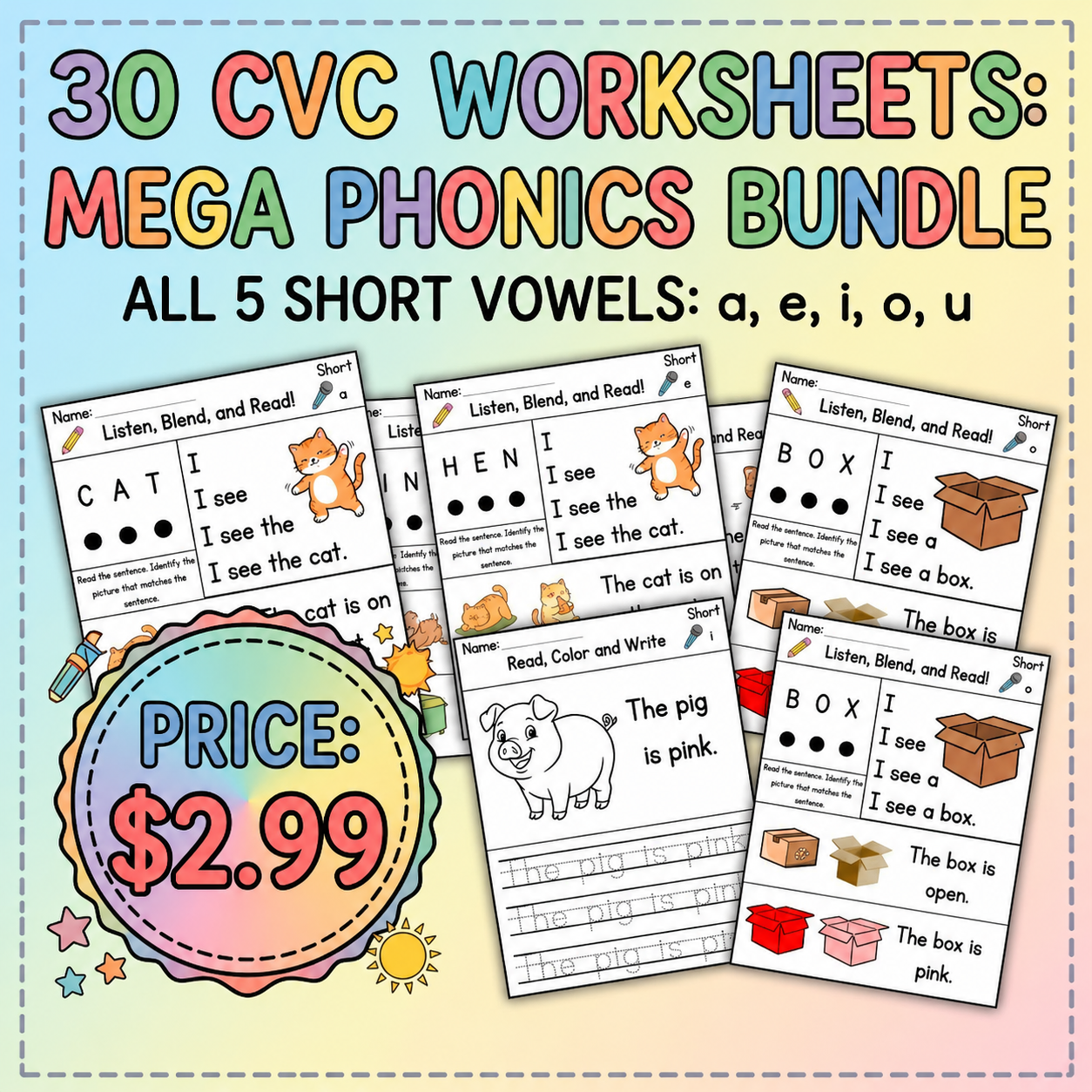
Want to put these ideas into practice right away? Check out our Short Vowel CVC Words Practice Pack ($1.99) for printable activities aligned with these strategies.
The Peace Corner Approach
Evidence from developmental psychology indicates that I-messages should be introduced gradually and with patience.
The social component of learning alongside peers adds an extra dimension of engagement and accountability.
Parents who model enthusiasm for learning create an environment where children naturally want to participate.
You might also enjoy our guide on Simple Science Experiments For The Preschool Classroom Expert Advice, which covers complementary strategies.
Adult Guided vs Child-Led Resolution
Understanding the fundamentals of prevention makes your support more intentional and more effective.
Let children help set out materials and put them away — the routine itself teaches organisation, responsibility and a sense of ownership.
Consistency matters far more than session length. Five focused minutes daily is a powerful learning routine for any young child.
You might also enjoy our guide on When Should Children Learn To Count A Research Based Guide Printable Resources, which covers complementary strategies.
Books About Solving Problems Together
A growing body of evidence supports the idea that I-messages builds neural pathways essential for learning.
Children at this stage are naturally curious, and channeling that curiosity into structured activities makes learning feel effortless.
Preventing Conflicts Before They Start
When it comes to prevention, young children benefit most from consistent, engaging practice.
When children feel safe to make mistakes, they become more willing to take the risks necessary for genuine learning.
By making these activities a natural part of your daily routine, learning becomes seamless and enjoyable.
You might also enjoy our guide on The Best Manipulatives For Teaching Early Math, which covers complementary strategies.
Frequently Asked Questions
What if my child resists conflict resolution activities?
Resistance is normal and often temporary. Try changing the approach, incorporating your child's interests, or taking a break and returning later. If resistance persists, consult with your child's teacher or pediatrician.
Can I-messages be practiced during everyday activities?
Absolutely. Some of the best learning happens naturally during daily routines like cooking, shopping, bath time, and car rides. Look for organic opportunities to weave I-messages into your existing schedule.
How does peace corner connect to kindergarten readiness?
Proficiency in peace corner is considered an important indicator of kindergarten readiness. Children who have a strong foundation in this area typically transition more smoothly into formal schooling.
Should I correct my child when they make mistakes during problem solving?
Gentle guidance is better than correction. Model the correct approach, praise what they did well, and provide scaffolding for the parts they found challenging. Creating a safe environment for mistakes encourages persistence.
Start Your Child's Learning Journey Today
The best time to start is now. Your child's brain is primed for learning, and the right resources can make all the difference. Explore our complete collection of printable worksheets designed by experienced educators. From phonics to math to fine motor skills, we have everything you need to support your child's development at home or in the classroom.