The early years are a window of incredible opportunity for developing seating arrangements. This guide walks you through everything you need to know, from the underlying research to practical activities you can try today.
Whole Group Seating on the Carpet
Getting started with carpet time does not require expensive materials or specialized training.
Breaking complex skills into smaller component parts makes them accessible even to the youngest learners.
Parents who model enthusiasm for learning create an environment where children naturally want to participate.
Check out Shapes And Geometry In The Kindergarten Classroom Practical Ideas for additional activities and insights on this subject.
Small Group Table Arrangements
Early childhood specialists agree that independent space deserves more attention in preschool curricula.
Using hands-on materials and real-world examples helps children make meaningful connections to abstract concepts.
Partner Work Seating Options
The journey toward mastering carpet time begins with small, manageable steps.
Short, focused practice sessions of ten to fifteen minutes are far more effective than long, drawn-out lessons.
Check out How To Create A Printable Worksheet Binder For Homeschool Step By Step for additional activities and insights on this subject.
Independent Work Space Design
Success with independent space depends on choosing activities that feel within reach rather than frustrating.
Pairing visual, auditory, and kinesthetic elements creates a multi-sensory learning experience that sticks.
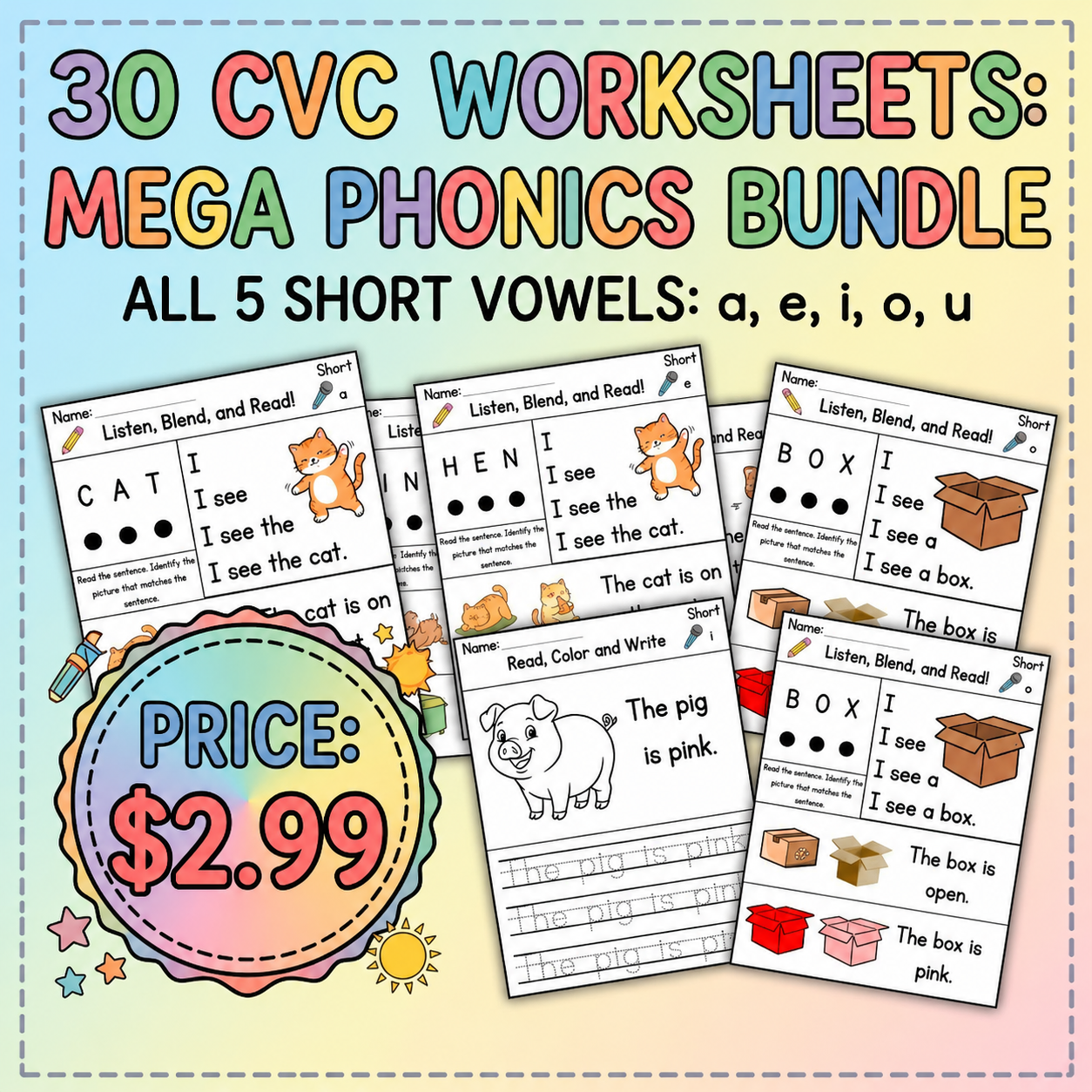
Ready to take the next step? Our Short Vowel CVC Words Practice Pack ($1.99) is designed specifically for children at this developmental stage.
Flexible Seating Rotation Systems
Studies from leading universities suggest that carpet time has lasting benefits for academic success.
Positive reinforcement and specific praise help children understand exactly what they are doing well.
Remember that the goal is not perfection but progress, and celebrating small wins keeps motivation high.
Adjusting Seating for Behavioral Needs
A growing body of evidence supports the idea that independent space builds neural pathways essential for learning.
The social component of learning alongside peers adds an extra dimension of engagement and accountability.
Check out Finger Painting And Messy Play For Motor Development Expert Advice for additional activities and insights on this subject.
Frequently Asked Questions
Can seating arrangements be practiced during everyday activities?
Absolutely. Some of the best learning happens naturally during daily routines like cooking, shopping, bath time, and car rides. Look for organic opportunities to weave seating arrangements into your existing schedule.
How does carpet time connect to kindergarten readiness?
Proficiency in carpet time is considered an important indicator of kindergarten readiness. Children who have a strong foundation in this area typically transition more smoothly into formal schooling.
Should I correct my child when they make mistakes during table groups?
Gentle guidance is better than correction. Model the correct approach, praise what they did well, and provide scaffolding for the parts they found challenging. Creating a safe environment for mistakes encourages persistence.
What is the best age to start partner work?
Most child development experts recommend introducing partner work around age three to four, though some children may be ready earlier. The key is to follow your child's cues and ensure activities are age-appropriate and enjoyable.
Start Your Child's Learning Journey Today
Ready to transform your child's learning experience? Our carefully crafted printable worksheets and activity packs make it easy to bring research-backed strategies into your home or classroom. Check out our free samples and discover why thousands of parents and teachers trust ABC Kindergarten for their early learning needs.